


Compromised skin barrier solutions: 10 proven methods
TL;DR:
- A compromised skin barrier causes chronic dryness, sensitivity, and scarring, requiring restoration through lipid replenishment and inflammation reduction. Effective treatments include emollients with advanced delivery systems, correct layering of humectants and occlusives, and environmental management like humidifiers, especially in harsh Canadian winters. Prioritizing simple routines, barrier stabilization, and consistency ensures long-term skin resilience and optimal healing outcomes.
A compromised skin barrier, known clinically as impaired stratum corneum function, is the leading cause of chronic dryness, sensitivity, hyperpigmentation, and acne scarring. Compromised skin barrier solutions are treatments and methods that restore the skin’s protective function by replenishing lipids, reducing transepidermal water loss (TEWL), and calming inflammation. The right approach combines emollients, ceramide-rich moisturisers, advanced delivery systems, and environmental management. For Canadians navigating harsh winters and dry indoor air, these solutions are not optional extras. They are the foundation of every effective skincare routine.
1. Emollients and the soak and seal method
The most effective starting point for barrier repair is consistent, liberal emollient use paired with the soak and seal technique. This method involves applying a rich emollient immediately after bathing on slightly damp skin, trapping moisture before it evaporates. Twice-daily emollient application targeting approximately 250 g per week for adults is the clinical standard for repairing barrier impairment. That dosage may sound generous, but it reflects how much product is actually required to create a meaningful protective film across the body.
Key emollient types to look for:
- Ceramides: Lipids that naturally make up 50% of the skin’s outer layer, directly replacing what a damaged barrier has lost
- Glycerin: A humectant that draws water from the environment and deeper skin layers into the stratum corneum
- Urea: At low concentrations (5–10%), urea softens and hydrates without irritation, making it well suited for sensitive skin
- Cholesterol: Works synergistically with ceramides to restore the lipid matrix structure
Pro Tip: Apply your emollient within three minutes of stepping out of the shower. After that window, water evaporation accelerates and the soak and seal benefit is largely lost.
2. Humectants, occlusives, and how to layer them correctly
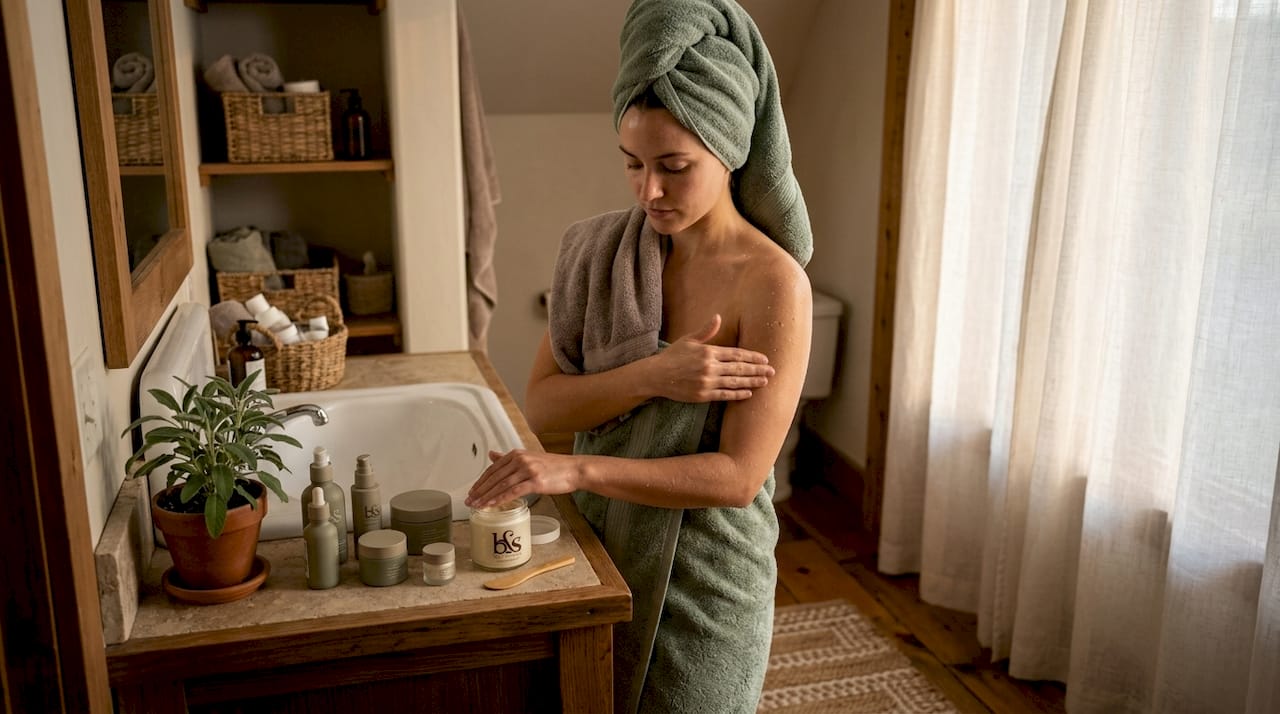
Moisturiser efficacy depends not just on ingredients but on the correct layering sequence. Humectants like glycerin and hyaluronic acid attract water molecules into the skin, while occlusives like petrolatum, shea butter, and dimethicone form a physical seal over the surface to prevent that water from escaping. Used together in the right order, they produce a sustained barrier benefit that neither achieves alone.
Occlusives applied over damp skin inhibit TEWL far more effectively than when applied to dry skin. This is why product sequencing matters as much as product selection. Apply your humectant serum first, allow it to absorb partially, then seal with an occlusive-rich cream or balm. This approach is particularly relevant for compromised skin barrier solutions in humidity-challenged environments like Canadian winters, where indoor heating strips moisture from the air and the skin simultaneously.
3. Ceramide delivery: why nanostructured carriers change the outcome
Ceramides are the most clinically important lipids for barrier repair, but getting them to penetrate the stratum corneum in meaningful concentrations has historically been difficult. Standard topical ceramide formulations sit largely on the surface. Ceramide-E nanostructured lipid carriers improve topical delivery and retention, restoring disrupted stratum corneum structure more effectively than traditional formulations. This matters because deeper lipid integration produces lasting structural repair rather than temporary surface hydration.
Nanocarriers work by preventing ceramide crystallisation, which is a common problem in conventional formulations that reduces bioavailability. In preclinical models of chemical damage and tape stripping, these systems demonstrated measurably improved skin permeation. For consumers, this means that two products listing the same ceramide concentration can produce very different results depending on the delivery technology behind the formulation. When evaluating barrier repair ingredients, look for brands that disclose their delivery system, not just their ingredient list.
Pro Tip: Phrases like “liposomal ceramides,” “encapsulated lipids,” or “nanoparticle delivery” on a product label indicate a more sophisticated formulation that is likely to outperform a basic ceramide cream at the same concentration.
4. Niacinamide: optimised delivery for barrier and pigmentation repair
Niacinamide (vitamin B3) is one of the most versatile barrier repair ingredients available. It reduces inflammation, strengthens the lipid matrix, and inhibits melanin transfer, making it directly relevant for both barrier restoration and hyperpigmentation management. Lipid nanoparticle formulations improve niacinamide permeation by 39% to 192% compared to non-optimised forms. That range represents a dramatic difference in clinical outcome from what appears to be the same active ingredient.
Standard niacinamide serums at 5–10% concentration are well tolerated on sensitive skin and produce visible results within four to six weeks of consistent use. For those dealing with post-inflammatory hyperpigmentation or acne scarring, niacinamide is the safest active to introduce during the barrier repair phase because it supports rather than stresses the skin. You can read more about niacinamide serum benefits and how to incorporate it into a repair-focused routine.
5. Advanced multi-ingredient formulations with clinical evidence
Single-ingredient products have their place, but the strongest clinical results come from formulations that combine complementary actives in one well-designed vehicle. A clinical study with 47 women aged 36 to 65 found that a multi-ingredient serum lotion containing niacinamide, biomimetic collagen peptides, and antioxidants reduced dryness by 93.7% and improved hydration by 72.5% in four weeks. No adverse effects were reported, which is a meaningful result for a population with sensitive, barrier-compromised skin.
The lesson here is not that one product is universally superior. It is that synergistic formulations, where humectants, barrier lipids, peptides, and antioxidants are combined at effective concentrations, consistently outperform single-active approaches. When selecting products for sensitive skin, prioritise formulations with published clinical data over those relying solely on ingredient marketing.
6. Environmental management: humidifiers as a foundational tool
Topical products alone cannot fully repair a barrier that is being continuously depleted by its environment. Dermatologists recommend humidifiers overnight as foundational support in skin barrier repair, particularly during winter months. This recommendation is especially relevant for Canadian climates, where outdoor cold and forced-air indoor heating combine to create some of the most skin-hostile conditions in the world.
A humidifier set to 40–60% relative humidity reduces the moisture gradient between your skin and the surrounding air, which directly slows TEWL. This does not replace topical treatment, but it removes a significant environmental stressor that would otherwise undermine your skincare routine. Think of it as reducing the rate at which your barrier is being depleted while your products work to rebuild it.
Environmental management is often the missing layer in a barrier repair plan. The best moisturiser in the world cannot keep pace with a dry, heated room running all night. Address the environment and your topical products will work noticeably better.
7. Simplifying your routine during active barrier repair
Over-complicated skincare routines are one of the most common causes of prolonged barrier damage. Avoiding irritating actives like retinoids and exfoliants for one to two weeks breaks the damage cycle and allows the barrier to begin healing. This is not a permanent restriction. It is a strategic pause that makes subsequent reintroduction of actives more effective and less reactive.
During the repair phase, your routine should include:
- A gentle, fragrance-free, low-pH cleanser
- A ceramide and humectant-rich moisturiser applied to damp skin
- A broad-spectrum SPF 30 or higher in the morning
- Nothing else until the barrier shows signs of recovery (reduced redness, tightness, and reactivity)
This stripped-back approach feels counterintuitive when you are used to a multi-step routine, but it is the fastest path to a stable, functional barrier.
8. Treating hyperpigmentation and acne scars on a compromised barrier
Attempting to treat hyperpigmentation or acne scars on an already compromised barrier is one of the most common mistakes we see. Active ingredients like retinoids, AHAs, and vitamin C are effective for pigmentation and texture, but they are also barrier-stressing. Introducing them before the barrier is stable worsens inflammation, deepens pigmentation, and extends recovery time.
The correct protocol follows a clear sequence:
- Stabilise the barrier first. Use ceramides, occlusives, and niacinamide for a minimum of two to four weeks before introducing any targeted actives.
- Confirm barrier recovery. Look for reduced sensitivity, less visible redness, and skin that no longer feels tight after cleansing.
- Reintroduce actives gradually. Start with niacinamide at 5%, then low-concentration retinol (0.025–0.05%) every third night before building frequency.
- Monitor and adjust. Any return of sensitivity signals that the barrier needs more support before progressing.
Lipid replacement and TEWL control form the foundational step before carefully adding pigmentation and scar treatment ingredients. Skipping this foundation does not save time. It extends the overall treatment timeline significantly.
Pro Tip: Niacinamide at 10% concentration can be used throughout both the repair and active treatment phases. It reduces pigmentation while simultaneously supporting barrier function, making it the one active that does not need to be paused.
9. Choosing the right product format for your skin’s needs
Not all product formats deliver barrier repair equally. Understanding the differences helps you build a routine that matches your skin’s current state.
| Product format | Key ingredients | Best suited for |
|---|---|---|
| Rich cream | Ceramides, shea butter, petrolatum | Severe dryness, eczema-prone, cold climates |
| Serum lotion | Niacinamide, peptides, hyaluronic acid | Sensitivity with pigmentation concerns |
| Facial oil | Squalane, rosehip, jojoba | Dry skin needing occlusive support without heaviness |
| Gel moisturiser | Glycerin, aloe vera, panthenol | Oily or acne-prone skin with barrier damage |
| Barrier balm | Beeswax, lanolin, zinc oxide | Localised repair, cracked or severely irritated areas |
For most people with a compromised barrier, a ceramide-rich cream used morning and night, paired with a niacinamide serum, covers the majority of repair needs. Adjunct tools like humidifiers and gentle cleansers from brands like The Aesthetics Lounge and Spa or your local medical aesthetics provider can complement a home routine for more persistent concerns.
10. Skin barrier protection tips for long-term resilience
Repairing a compromised barrier is only half the work. Maintaining a healthy barrier over time requires consistent protective habits, particularly for those living in climates with significant seasonal variation.
Protective habits that prevent re-damage include:
- Wearing SPF daily, even in winter, since UV exposure degrades ceramide levels in the stratum corneum
- Avoiding hot showers, which strip the skin’s natural lipid film more aggressively than warm water
- Choosing fragrance-free products across your entire routine, including cleansers, laundry detergents, and fabric softeners
- Reapplying moisturiser after hand washing, which is one of the most overlooked sources of ongoing barrier disruption
- Eating a diet adequate in omega-3 fatty acids and zinc, both of which support lipid synthesis in the skin
For sensitive Canadian skin, seasonal adjustments matter too. Switching to a richer, more occlusive formulation in October and returning to a lighter texture in spring is a practical way to stay ahead of climate-driven barrier stress.
Key takeaways
Effective barrier repair requires ceramides, occlusives, and humectants applied in the correct sequence, supported by environmental management and a simplified routine.
| Point | Details |
|---|---|
| Layer products correctly | Apply humectants first on damp skin, then seal with an occlusive cream to maximise moisture retention. |
| Use advanced delivery systems | Nanostructured ceramide carriers and lipid nanoparticles for niacinamide significantly improve ingredient penetration and repair outcomes. |
| Manage your environment | A humidifier set to 40–60% humidity reduces overnight moisture loss and supports topical treatment efforts. |
| Stabilise before treating pigmentation | Repair the barrier with ceramides and niacinamide for two to four weeks before reintroducing retinoids or AHAs. |
| Simplify during active repair | Pause exfoliants and retinoids for one to two weeks to break the damage cycle and allow healing to begin. |
What I have learned from years of barrier-focused skincare
I have seen the same pattern repeat itself more times than I can count. Someone comes in with reactive, inflamed skin, convinced they need a stronger active ingredient to fix their hyperpigmentation or acne scars. They have tried three different vitamin C serums and two retinoids, and their skin is getting worse, not better. The problem is almost never the actives themselves. It is that the barrier was never stable enough to tolerate them.
The most counterintuitive lesson in barrier repair is that doing less, consistently, outperforms doing more, aggressively. A ceramide moisturiser applied twice daily for four weeks will produce more visible improvement than a full active-ingredient protocol applied to a compromised barrier. The science on nanostructured delivery systems is genuinely exciting, and I think it represents the next meaningful shift in how barrier repair products perform. But the fundamentals still matter more than the technology. Hydration, occlusion, environmental management, and patience are what actually move the needle.
I also want to be direct about humidifiers, because this recommendation gets dismissed as too simple. It is not. Running a humidifier overnight in a Canadian winter is one of the highest-return changes you can make to your skin health. It costs almost nothing to operate and removes a constant environmental stressor that no topical product can fully compensate for. If you are serious about barrier repair and you are not managing your indoor humidity, you are working against yourself.
The last thing I will say is this: consistency beats intensity every time. A basic routine maintained daily for eight weeks will outperform an elaborate routine used sporadically. Your skin barrier rebuilds itself on a cellular timeline, not an overnight one. Give it the conditions it needs and it will respond.
— Mohid
Restore your barrier with Bodyfacescalp
At Bodyfacescalp, we formulate specifically for skin that needs real structural repair, not just surface hydration. Our products are built around the same principles covered in this article: ceramides, humectants, occlusives, and clinically relevant concentrations of barrier-supporting actives.
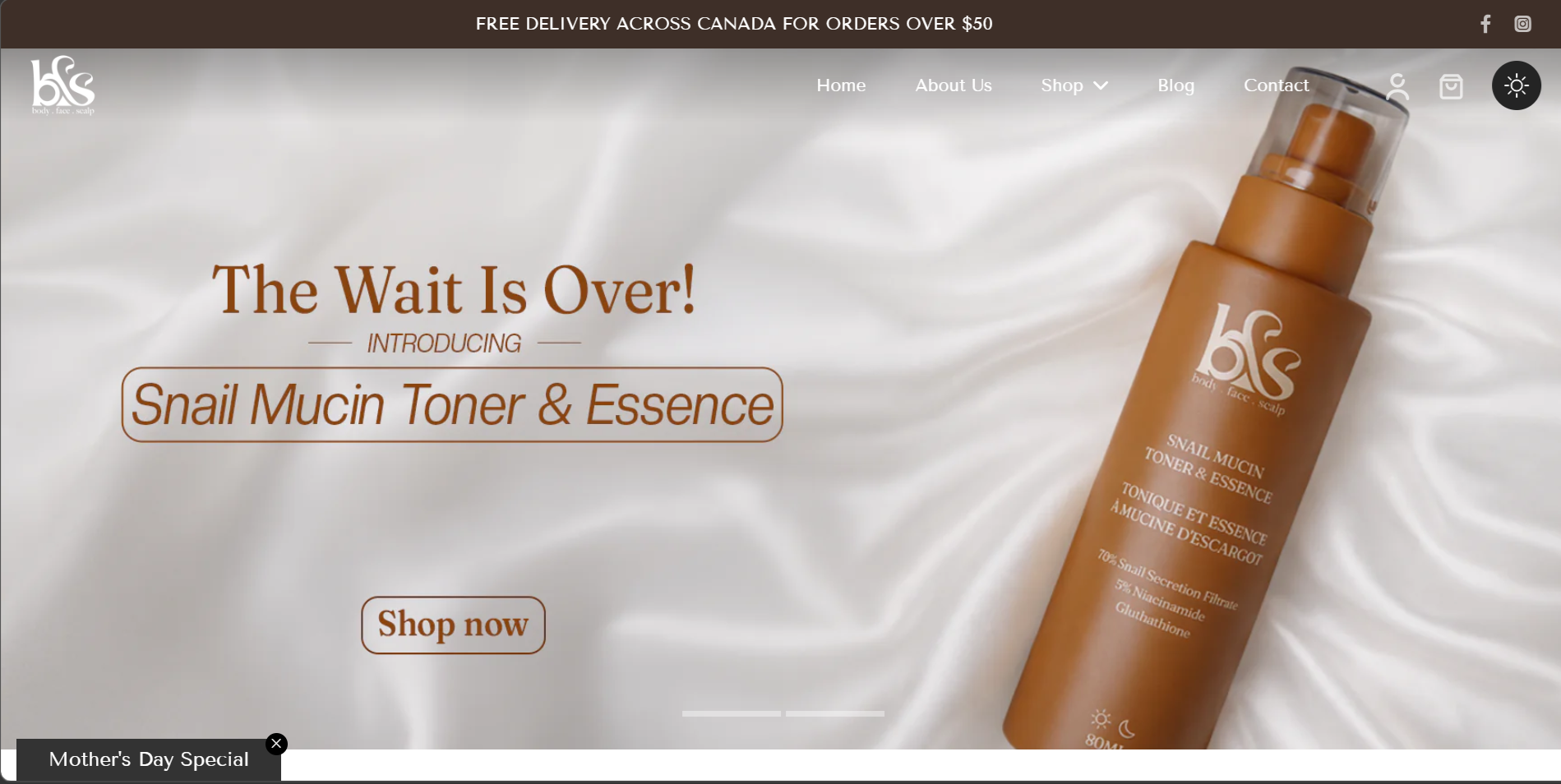
The Barrier Restoring Moisturiser combines ceramides, glycerin, and occlusive ingredients in a formulation designed for Canadian skin conditions. It is the kind of product you can use during the repair phase and maintain long term. Browse the full skin care collection to find targeted solutions for dryness, sensitivity, and hyperpigmentation, all formulated with barrier health as the foundation.
FAQ
What are the best ingredients for a compromised skin barrier?
Ceramides, glycerin, niacinamide, and occlusives like petrolatum or shea butter are the most clinically supported ingredients for barrier repair. Together, they replenish lipids, attract moisture, and prevent transepidermal water loss.
How long does it take to heal a compromised skin barrier?
Most people see meaningful improvement within two to four weeks of consistent barrier-focused care. Full structural repair can take six to eight weeks, depending on the severity of damage and environmental conditions.
Should I use a humidifier for skin barrier repair?
Dermatologists recommend using a humidifier overnight, particularly in dry or cold climates, as a foundational support measure alongside topical treatments. It reduces the moisture gradient between your skin and the air, slowing water loss.
Can I treat hyperpigmentation while repairing my skin barrier?
Niacinamide is safe to use throughout the repair phase and addresses both barrier function and pigmentation simultaneously. Stronger actives like retinoids and AHAs should be paused until the barrier is stable, typically after two to four weeks of repair-focused care.
What is the soak and seal method?
The soak and seal method involves applying an emollient or moisturiser within three minutes of bathing on slightly damp skin. This technique locks in moisture before evaporation occurs and is a clinically recommended practice for repairing barrier impairment.
Recommended
- Barrier strengthening ingredients: Repair sensitive skin – Body Face Scalp®
- Sensitive skin solutions: Top expert-backed options for Canadians – Body Face Scalp
- 5 most effective barrier repair ingredients for healthy skin – Body Face Scalp
- Emollients for barrier repair: ingredient-led solutions that work – Body Face Scalp