


How to fix damaged skin from sun and heat
TL;DR:
- Sun and heat damage skin by breaking down its barrier, causing inflammation and moisture loss. Immediate cooling and hydration help heal acute burns, while sustained repair involves barrier-restoring ingredients like ceramides and humectants. Chronic damage requires retinoids or professional procedures to improve aging signs and pigmentation.
Sun and heat damage skin by breaking down its protective barrier, triggering inflammation, and accelerating moisture loss. Knowing how to fix damaged skin from sun and heat means acting in two stages: immediate relief to stop the injury from worsening, and sustained repair to rebuild what was lost. Acute damage like sunburn responds to cooling and hydration. Chronic damage from repeated heat exposure, clinically called erythema ab igne or photoaging, requires targeted topical treatments and sometimes professional procedures. We cover both, with a clear routine you can start today.
What first-aid steps should you take for acute sunburn and heat damage?
The first priority after sunburn or heat injury is to cool the skin without shocking it. Use lukewarm water, not cold, and never apply ice directly. Ice constricts blood vessels and can worsen tissue damage in already inflamed skin.
Follow these steps in order:
- Cool the skin. Take a cool shower or bath, or apply a cool damp cloth for 10–15 minutes. Rapid cooling reduces inflammation and limits dryness, which speeds recovery.
- Moisturise immediately after. Apply a gentle, fragrance-free moisturiser while skin is still slightly damp. This locks in moisture before the surface dries out.
- Avoid the wrong products. Petroleum jelly and topical anesthetics trap heat and can trigger allergic reactions on inflamed skin. Skip them entirely.
- Manage pain with NSAIDs. Ibuprofen or aspirin reduce both pain and inflammation. Cold compresses and NSAIDs ease sunburn discomfort more reliably than topical steroids.
- Hydrate internally. Sunburn draws fluid to the skin’s surface. Drink extra water throughout the day to compensate.
- Stay out of the sun and heat. Cover the affected area with loose, soft clothing and avoid further exposure until the skin has healed.
When to seek emergency care: Seek medical attention if you experience blistering over a large area, fever above 39°C, confusion, or signs of dehydration. These indicate severe sunburn or heat illness.
Pro Tip: Apply aloe vera gel straight from the fridge. The cool temperature soothes on contact, and aloe’s natural compounds calm redness without the heat-trapping risk of heavier creams.
Sunburn typically improves within 7 days with consistent self-treatment. That timeline assumes you avoid re-exposure and keep the skin moisturised throughout.
How to restore and nourish your skin barrier after sun and heat exposure
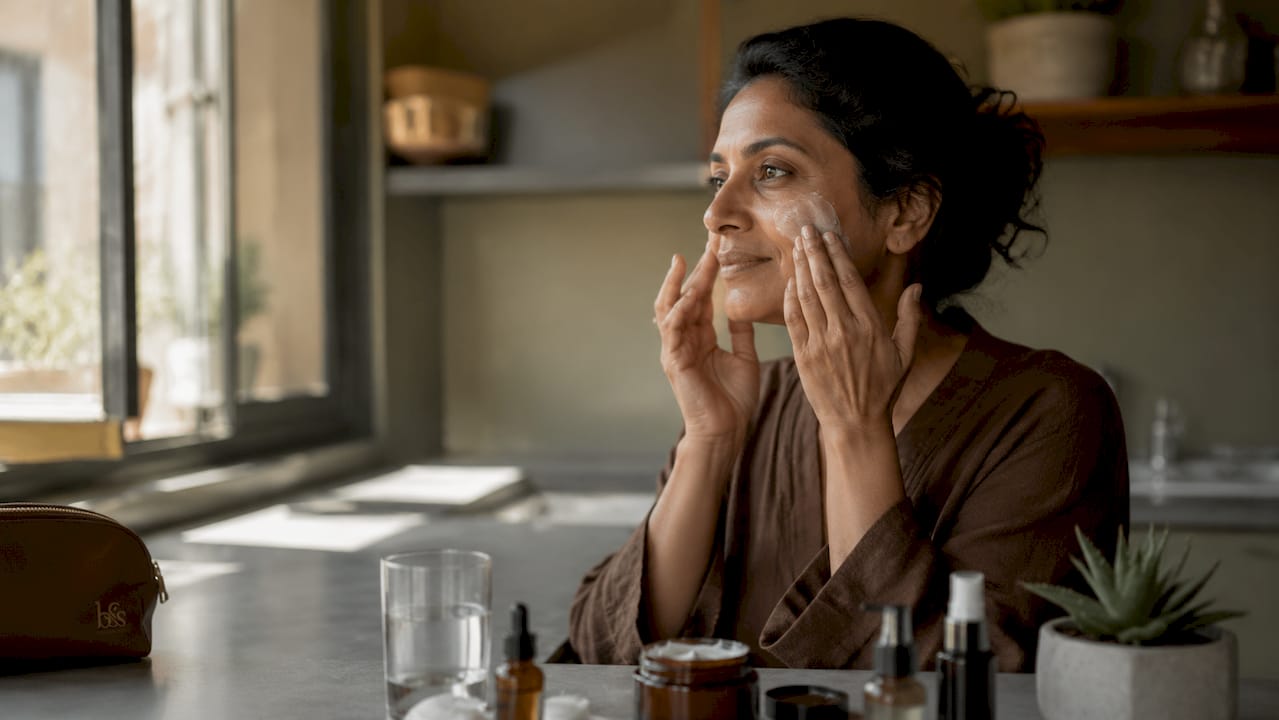
Your skin barrier is the foundation of healthy skin. Sun and heat both accelerate water loss and weaken the lipid layer that keeps irritants out and moisture in. Heat damages the skin barrier and increases vulnerability to environmental aggressors, making barrier repair the central goal of post-sun skincare.
The right ingredients make a measurable difference. Here is how the key moisturiser ingredients compare for heat and sun-damaged skin:
| Ingredient | Type | Primary benefit for damaged skin |
|---|---|---|
| Hyaluronic acid | Humectant | Draws water into the skin from the environment |
| Glycerin | Humectant | Retains moisture in the upper skin layers |
| Ceramides | Barrier lipid | Rebuilds the lipid matrix that holds skin cells together |
| Niacinamide | Active | Reduces redness and supports barrier function |
| Squalane | Occlusive/emollient | Seals moisture in without clogging pores |
Humectants attract water. Occlusives seal it in. A moisturiser that combines both works far better than one that relies on a single mechanism. Look for products that list ceramides, hyaluronic acid, and squalane together.
Pro Tip: Avoid hot water when cleansing damaged skin. Hot water strips the skin’s natural oils and undoes the barrier repair you are working to achieve. Use lukewarm water and a gentle, pH-balanced, fragrance-free cleanser.
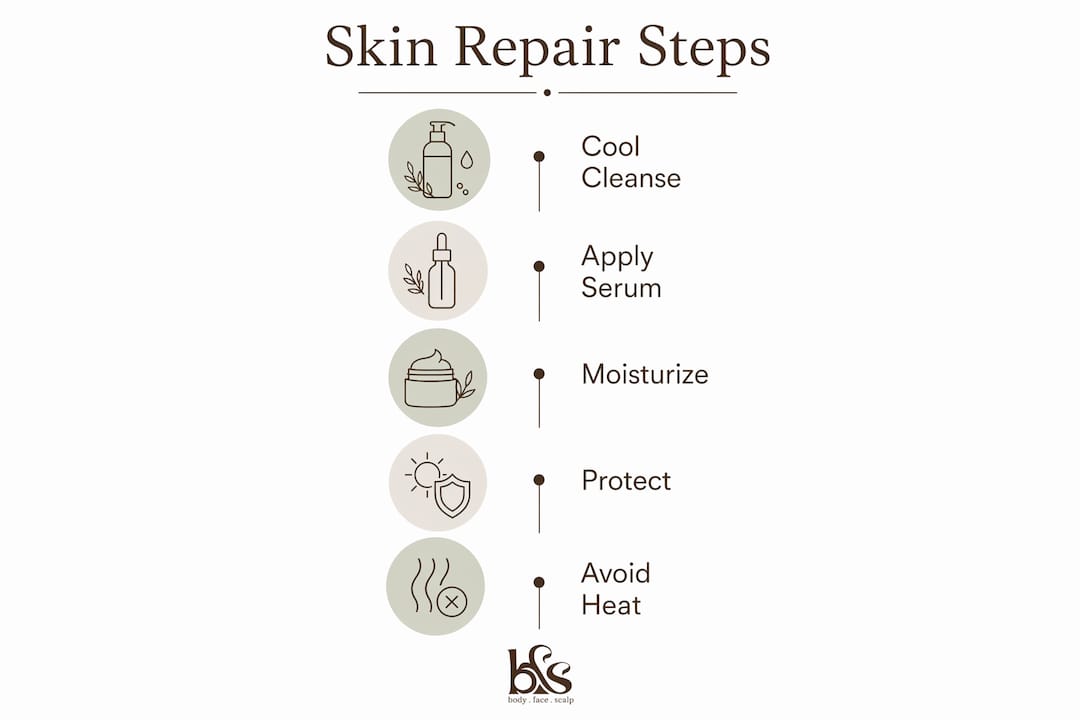
Your daily routine after sun or heat exposure should follow this pattern: cool water cleanse, apply humectant serum while skin is damp, seal with a ceramide-rich moisturiser, and apply SPF every morning. Consistency over days matters more than any single product. For a full breakdown of barrier-repair ingredients suited to Canadian skin, Bodyfacescalp has a dedicated guide worth reading alongside this one.
What topical treatments and professional procedures help repair chronic sun damage?
Chronic sun damage, known clinically as photoaging, produces fine lines, uneven pigmentation, and a rough texture that simple moisturising cannot reverse. Chronic heat damage from sources like laptops, heating pads, and space heaters causes erythema ab igne, a mottled discolouration pattern. These two conditions look different and require different approaches.
Treating photoaging and pigmentation
Topical retinoids are the first-line treatment for photoaging. They accelerate cell turnover, stimulate collagen production, and fade pigment spots over time. Long-term sun damage treatment combines topical retinoids with photoprotection as the foundation, with procedural options added for moderate to severe cases.
For pigmentation specifically, lightening agents such as niacinamide, azelaic acid, and vitamin C work by interrupting melanin production. Long-term pigmentary management requires combining photoprotection with both topical and procedural interventions for lasting results. Topical therapy alone is sufficient for mild sun spots.
Professional procedures for more significant photoaging include:
- Chemical peels: Remove damaged surface layers and stimulate new cell growth. Glycolic acid and salicylic acid peels are common starting points.
- Laser resurfacing: Targets deeper pigment and collagen loss. Fractional lasers like Fraxel treat photoaging with minimal downtime compared to ablative options.
- Intense pulsed light (IPL): Effective for diffuse redness and brown spots caused by UV exposure.
Treatment results are typically assessed at around 3 months post-treatment. Patience is not optional. Skin remodelling is a slow biological process, and expecting visible change in two weeks leads to abandoning treatments that would have worked.
Treating erythema ab igne (toasted skin syndrome)
Erythema ab igne results from chronic low-grade heat exposure, not UV rays. The most common culprits are laptops resting on the thighs, heating pads, and space heaters used at close range. The first and most critical step is removing the heat source entirely. Without that change, no topical treatment will produce lasting improvement.
Heat spots are heat-induced, not UV damage. That distinction matters because SPF alone will not treat them. Once the heat source is removed, a dermatologist may prescribe topical retinoids or hydroquinone to address the residual discolouration. For guidance on treating pigmentation from both sun and heat, Bodyfacescalp’s article on dark spots and pigmentation covers the treatment options clearly.
How can you protect your skin from future sun and heat damage effectively?
Prevention is the most efficient skincare strategy. Repairing damage costs far more time, money, and discomfort than avoiding it. Newly healed skin remains photosensitive for several weeks after sunburn, meaning the window of vulnerability extends well beyond the visible peeling stage.
Build these habits into your daily routine:
- Apply broad-spectrum SPF 30 or higher every morning. Broad-spectrum coverage protects against both UVA (which causes photoaging) and UVB (which causes sunburn). Reapply every two hours during outdoor activity.
- Wear UPF-rated clothing. Fabrics with a tight weave provide better UV protection than loose-knit materials. UPF 50+ blocks over 98% of UV radiation. The UR Sun Defence System from Urban Retreat pairs SPF50+ mineral sunscreen with a radiance system for layered protection.
- Avoid peak UV hours. UV rays are less intense before 10 AM and after 4 PM. Plan outdoor activity around those windows when possible.
- Seek shade actively. Shade reduces UV exposure by up to 50%, but reflected UV from sand, water, and concrete still reaches the skin. Sunscreen remains necessary even in shade.
- Eliminate chronic heat sources. Use a laptop stand to keep devices off your skin. Keep heating pads on a timer. Maintain distance from space heaters.
- Check your summer product choices. Certain ingredients become irritating or photosensitising in heat. Bodyfacescalp’s guide on ingredients to avoid in summer is a practical reference for adjusting your warm-weather routine.
Key takeaways
Repairing sun and heat damaged skin requires cooling and hydrating immediately, rebuilding the skin barrier with ceramides and humectants, and treating chronic damage with retinoids or professional procedures while maintaining consistent SPF protection.
| Point | Details |
|---|---|
| Act immediately after exposure | Cool the skin with lukewarm water and apply a fragrance-free moisturiser right away. |
| Avoid petroleum jelly on sunburn | It traps heat and worsens inflammation; use aloe vera or a ceramide moisturiser instead. |
| Distinguish sun from heat damage | Erythema ab igne requires removing the heat source first; SPF alone will not resolve it. |
| Treat chronic damage with retinoids | Topical retinoids are the first-line treatment for photoaging; expect visible results at 3 months. |
| Protect healed skin consistently | Newly healed skin stays photosensitive for weeks; daily SPF and UPF clothing prevent repeat damage. |
What I have learned from years of watching people skip the basics
People tend to overcomplicate post-sun recovery. They reach for elaborate serums and expensive treatments before doing the simple things well. The most common mistake I see is skipping moisturiser after a shower because the skin “feels wet enough.” That window right after rinsing is exactly when a barrier-repair moisturiser does its best work. Miss it, and you lose the opportunity to lock in hydration before the surface dries out.
The second mistake is treating erythema ab igne like a sunburn. People apply aloe vera and wait. The discolouration does not fade because the heat source, often a laptop or a heating pad, is still in daily contact with the skin. No cream fixes a problem that is still happening.
Chronic damage also requires patience that most people underestimate. Retinoids and lightening agents work, but they work slowly. Stopping at six weeks because you do not see dramatic change is the single biggest reason treatments fail. Dermatologists assess results at three months for a reason.
My honest advice: start with the basics, be consistent, and get a professional opinion before investing in procedures. The skincare guide for Canadian women from Bodyfacescalp is a solid starting point for building a routine that actually holds up through Canadian summers and winters alike.
— Mohid
Bodyfacescalp products for sun and heat damaged skin
Sun and heat damage leaves skin dry, inflamed, and stripped of its natural defences. The right products rebuild that foundation without adding irritation.
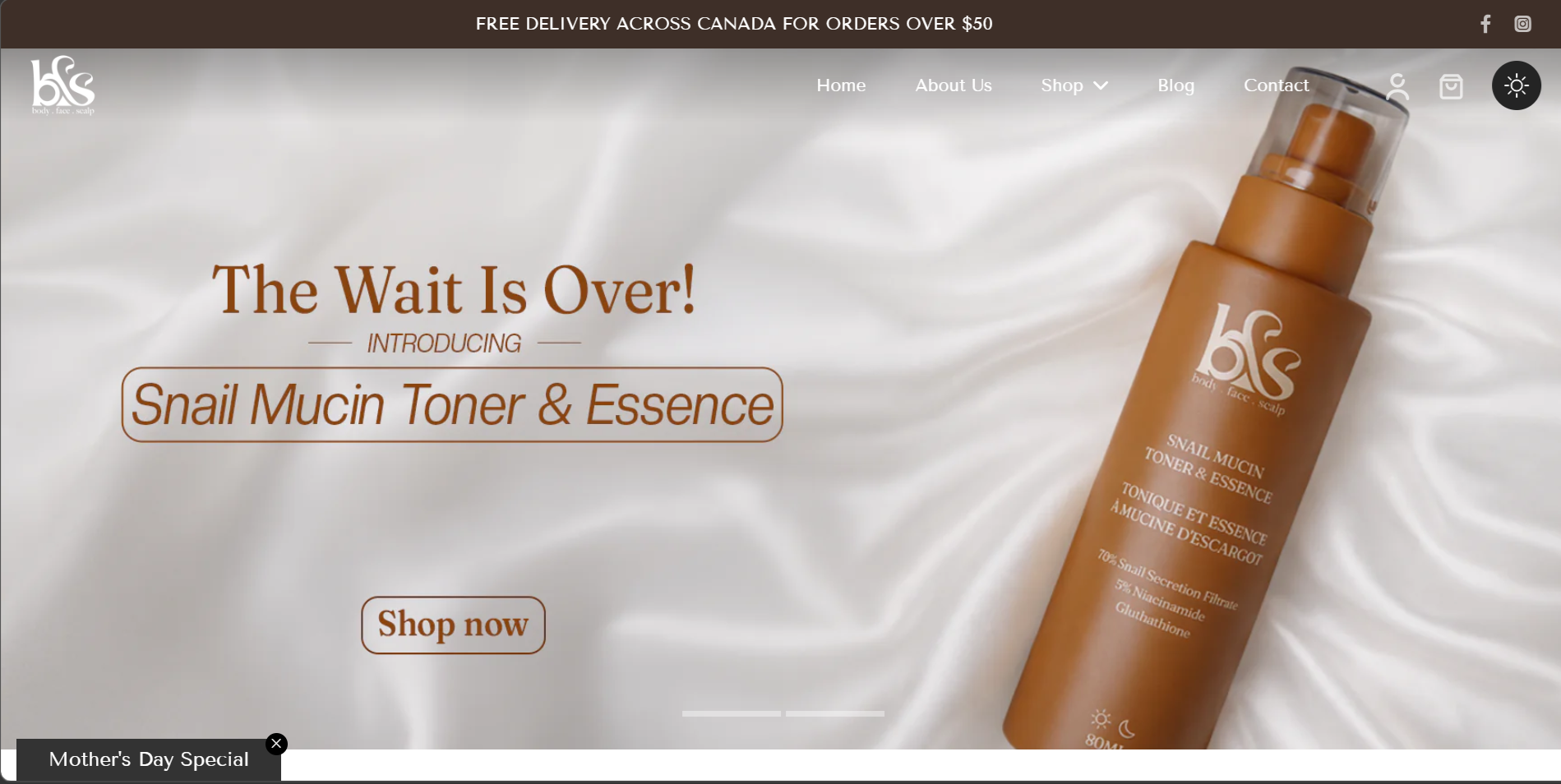
Bodyfacescalp formulates specifically for barrier repair. The Barrier Restoring Moisturiser is built for skin that has been compromised by heat, UV exposure, or harsh weather. It combines ceramides, humectants, and skin-calming actives to restore the lipid layer and reduce sensitivity. For deeper repair, the Luster Booster Multi Peptide Serum supports collagen synthesis and skin renewal, making it a strong complement to any post-sun recovery routine. Browse the full skincare collection to find products matched to your skin’s current needs.
FAQ
How long does sunburn take to heal?
Sunburn typically improves within 7 days with consistent self-care including cooling, moisturising, and pain relief. Severe burns with blistering may take several weeks to heal fully.
Can you use aloe vera on sunburned skin?
Yes. Aloe vera is one of the best remedies for soothing skin after sun exposure. It calms redness and provides light hydration without trapping heat the way petroleum-based products do.
What is the difference between sunburn and erythema ab igne?
Sunburn is caused by UV radiation and responds to cooling and hydration. Erythema ab igne is caused by chronic low-grade heat from sources like laptops or heating pads, and the primary treatment is removing the heat source.
Do topical steroids help with sunburn?
Topical glucocorticoids offer no significant benefit over cool compresses for sunburn. Cool compresses and fragrance-free moisturisers are more effective and carry fewer risks.
When should you see a dermatologist for sun damage?
See a dermatologist if you have persistent pigmentation, significant texture changes, or discolouration that does not improve after several weeks of consistent home care. Professional treatments like chemical peels and laser resurfacing produce results that topical products alone cannot achieve.
Recommended
- Compromised skin barrier solutions: 10 proven methods – Body Face Scalp®
- Protect your skin in cold weather: A barrier repair guide – Body Face Scalp®
- Top 4 Best Moisturizer for Damaged Skin Barrier 2026 – Body Face Scalp®
- Barrier repair explained: restore healthy skin, reduce dryness – Body Face Scalp