

Non-comedogenic ingredients list: safe picks for 2026
TL;DR:
- A non-comedogenic ingredients list guides skincare products that do not clog pores or trigger acne, ideal for sensitive skin. Safe ingredients include humectants like glycerin and hyaluronic acid, and low-rated oils such as jojoba and grapeseed, while high-risk ingredients like coconut oil and wheat germ oil should be avoided. Reading ingredient lists carefully is essential because “non-comedogenic” labels are unregulated, and individual skin chemistry varies.
A non-comedogenic ingredients list is a reference guide to skincare components that do not clog pores or trigger acne, making them the safest choices for sensitive and acne-prone skin. The term “non-comedogenic” is the dermatological standard for pore-safe formulations, though you will also see it described informally as “pore-friendly” or “acne-safe” on product labels. Knowing which ingredients belong on this list gives you real control over your skin. We have compiled this 2026 guide to walk you through the top safe ingredients, the oils worth trusting, and the common offenders to avoid.
1. the non-comedogenic ingredients list: hydration and barrier support

The most reliable non-comedogenic skincare ingredients are humectants, barrier-repair agents, and anti-inflammatory compounds that hydrate without feeding breakouts. Glycerin, hyaluronic acid, niacinamide, aloe vera, and dimethicone are the most widely recognised options in this category. Each one works differently, but together they cover the full spectrum of what acne-prone skin needs.
Here is what each ingredient does for your skin:
- Glycerin: A lightweight humectant that draws water from the air into the skin. It hydrates without adding oil or weight to the formula.
- Hyaluronic acid / Sodium hyaluronate: Holds up to 1,000 times its weight in water. Dermatologists prioritise humectants like hyaluronic acid over heavy oils for oily and combination skin types.
- Niacinamide (Vitamin B3): Calms inflammation and balances oil production, making it one of the most recommended ingredients for acne-prone skin. The 5% concentration is the standard for oil control and brightening.
- Aloe vera: Soothes redness and delivers light hydration. It is particularly useful after active breakouts when skin is inflamed.
- Dimethicone: A silicone that seals moisture into the skin without blocking pores. We cover it in more detail in Section 5.
- Cetearyl alcohol: A fatty alcohol that softens skin and stabilises product texture. Cetearyl alcohol serves as an emollient without clogging pores, despite the word “alcohol” in its name.
Pro Tip: Pair niacinamide with hyaluronic acid in your morning routine. Niacinamide controls oil through the day while hyaluronic acid keeps your barrier hydrated. The combination reduces the urge to over-moisturise, which is a common trigger for breakouts.
2. safe oils for acne-prone skin: the low-comedogenic list
Not all oils clog pores. Lightweight oils high in linoleic acid can actually benefit acne-prone skin by reinforcing the barrier without contributing to congestion. The key is understanding comedogenic ratings, which run from 0 (no risk) to 5 (high risk), and choosing oils rated 2 or below for daily use.
The table below compares the most common oils by comedogenic rating, key fatty acid profile, and best use case.
| Oil | Comedogenic Rating | Key Fatty Acid | Best For |
|---|---|---|---|
| Jojoba oil | 2 | Wax ester (mimics sebum) | All skin types, including oily |
| Grapeseed oil | 1 | Linoleic acid | Oily and acne-prone skin |
| Sunflower seed oil | 0–1 | Linoleic acid | Sensitive and dry skin |
| Refined shea butter | 0–2 | Oleic and stearic acid | Dry and combination skin |
| Rosehip oil | 1–2 | Linoleic and linolenic acid | Post-acne scarring |
| Coconut oil | 4 | Lauric acid | Body use only, avoid face |
| Wheat germ oil | 5 | Linoleic and oleic acid | Avoid for acne-prone skin |
Jojoba, grapeseed, and sunflower seed oils are lightweight and rich in linoleic acid, making them less likely to clog pores than heavier alternatives. Individual reactions still vary, so patch testing remains important even with low-rated oils.
3. ingredients to avoid: high-comedogenic offenders
Some of the most popular skincare and haircare ingredients are also the most likely to cause breakouts. Coconut oil, wheat germ oil, cocoa butter, and isopropyl myristate score between 3 and 5 on comedogenicity charts and are directly linked to acne flare-ups. These ingredients are common in moisturisers, lip balms, hair conditioners, and even sunscreens, so reading labels carefully is non-negotiable.
Watch for these high-risk ingredients on product labels:
- Coconut oil (INCI: Cocos nucifera oil): Comedogenic rating of 4. Widely used but problematic for facial skin.
- Cocoa butter (INCI: Theobroma cacao seed butter): Rating of 4. Common in body lotions and lip products.
- Wheat germ oil (INCI: Triticum vulgare germ oil): Rating of 5. The highest-risk natural oil on most charts.
- Isopropyl myristate: A synthetic emollient rated 3–5. Found in many foundations and body lotions as a texture enhancer.
- Isopropyl palmitate: Similar to isopropyl myristate. Rated 4 and commonly used in makeup and hair products.
- Lanolin (INCI: Lanolin): Rated 2–4 depending on refinement. Can cause reactions in sensitive skin.
- Sodium lauryl sulphate (SLS): Not comedogenic in the traditional sense, but it strips the barrier and triggers reactive oil production that leads to breakouts.
The INCI (International Nomenclature of Cosmetic Ingredients) name is the standardised scientific name you will find on every Canadian product label. Knowing both the common name and the INCI name helps you spot these ingredients even when brands use less familiar terminology. For a broader look at what to avoid, our guide on skincare ingredients to avoid covers irritants beyond comedogenicity.
4. why silicones are safe for acne-prone skin
Silicones are among the most misunderstood ingredients in non-comedogenic skincare. The common belief is that silicones suffocate skin, but the science does not support this. Dimethicone and cyclopentasiloxane form occlusive but breathable films that lock in moisture without blocking pores. Skin breathes through sweat glands, not through the surface itself, so a silicone film does not interfere with normal skin function.
Dimethicone is the most widely used silicone in skincare. It creates a smooth, protective layer over the skin that reduces transepidermal water loss (TEWL), which is the process by which your skin loses moisture to the air. For acne-prone skin, this is particularly useful because a well-hydrated barrier is less likely to overproduce oil as a compensatory response.
Caprylic/capric triglycerides, derived from coconut oil and glycerin, are another synthetic emollient worth knowing. Despite their coconut origin, modern refined versions are processed to remove the fatty acids responsible for comedogenicity. They deliver a light, non-greasy feel that works well in gel moisturisers and serums.
Pro Tip: If your skin is oily or combination, look for products where dimethicone appears in the top five ingredients. It provides the moisture seal your barrier needs without adding the heaviness of plant-based oils.
5. how to read an ingredient list for pore safety
Reading a skincare ingredient list is a skill that protects your skin better than any marketing claim. Ingredients are listed in descending order of concentration, so the first five ingredients make up the bulk of the formula. If coconut oil or isopropyl myristate appears in the top five, the product carries a real risk of causing breakouts regardless of what the label says.
The “non-comedogenic” label is not regulated in Canada or the United States. Any brand can print it on a product without independent testing. This means your best protection is knowing the ingredients yourself, not trusting the front-of-pack claim. Cross-referencing a product’s ingredient list against a trusted non-comedogenic ingredients reference, such as those published by Verywell Health or DermApproved, takes less than two minutes and gives you far more reliable information.
For acne-prone skin, we recommend building a safe skincare routine around a short ingredient list. Fewer ingredients mean fewer variables when a reaction occurs. Start with a cleanser, a targeted serum (niacinamide or hyaluronic acid), and a non-comedogenic moisturiser before adding actives like retinol or exfoliating acids.
6. non-comedogenic makeup: what the ingredient rules mean in practice
Non-comedogenic makeup follows the same ingredient principles as skincare, but the stakes are higher because makeup sits on skin for hours. Foundations and concealers are the most common sources of cosmetic acne, also known as acne cosmetica. The primary offenders are isopropyl myristate, isopropyl palmitate, and heavy waxes used to create coverage and longevity.
Safe makeup ingredients for acne-prone skin include zinc oxide, titanium dioxide, and iron oxides for pigment. These mineral-based colourants are inert and do not interact with pores. Silica is another safe ingredient used in powder formulas to absorb oil without clogging. For liquid foundations, look for water-based formulas where glycerin or hyaluronic acid appears early in the list.
The best non-comedogenic products in the makeup category tend to be labelled “oil-free” and “mineral-based,” but again, verify the ingredient list rather than relying on the label alone. A product can be oil-free and still contain isopropyl myristate, which is a synthetic compound that behaves more aggressively than most natural oils.
Key takeaways
Choosing skincare based on the ingredient list rather than the label is the most reliable way to protect acne-prone and sensitive skin from breakouts.
| Point | Details |
|---|---|
| Top safe ingredients | Glycerin, hyaluronic acid, niacinamide, aloe vera, and dimethicone hydrate without clogging pores. |
| Safe oils are low-rated | Jojoba, grapeseed, and sunflower seed oils rate 0–2 on comedogenicity charts and suit acne-prone skin. |
| High-risk ingredients to avoid | Coconut oil, cocoa butter, wheat germ oil, and isopropyl myristate rate 3–5 and trigger breakouts. |
| Silicones are misunderstood | Dimethicone creates a breathable moisture seal and is safe for oily and combination skin types. |
| Labels are unregulated | “Non-comedogenic” is not a regulated claim in Canada; always verify by reading the full ingredient list. |
What i have learned from years of reading ingredient lists
I have spent years reviewing skincare formulations, and the single most consistent mistake I see is people trusting the front of the package over the back. A product can carry a “dermatologist-tested, non-comedogenic” badge and still contain isopropyl palmitate in the third position. That is not a rare edge case. It is common enough that I consider label literacy a basic skincare skill, not an advanced one.
The other thing I want to be direct about is patch testing. Introducing new products gradually over 2–4 weeks is the only way to accurately identify what your skin is reacting to. Most people introduce two or three new products at once and then cannot isolate the cause when a breakout appears. One product at a time, two weeks minimum, applied to a small area first. That process is slower, but it gives you real information.
Individual skin chemistry also matters more than most ingredient guides acknowledge. Jojoba oil rates a 2 on the comedogenicity scale, which is considered low risk. For most people, it is fine. For some people with specific sensitivities, it still causes congestion. The scale is a useful starting point, not a guarantee. Your skin’s response is always the final word.
— Mohid
Barrier-safe skincare from Bodyfacescalp
Bodyfacescalp formulates every product with barrier repair and ingredient safety at the centre. If you are building a routine around pore-safe ingredients, our skincare collection features products designed specifically for acne-prone and sensitive skin in Canadian climate conditions.
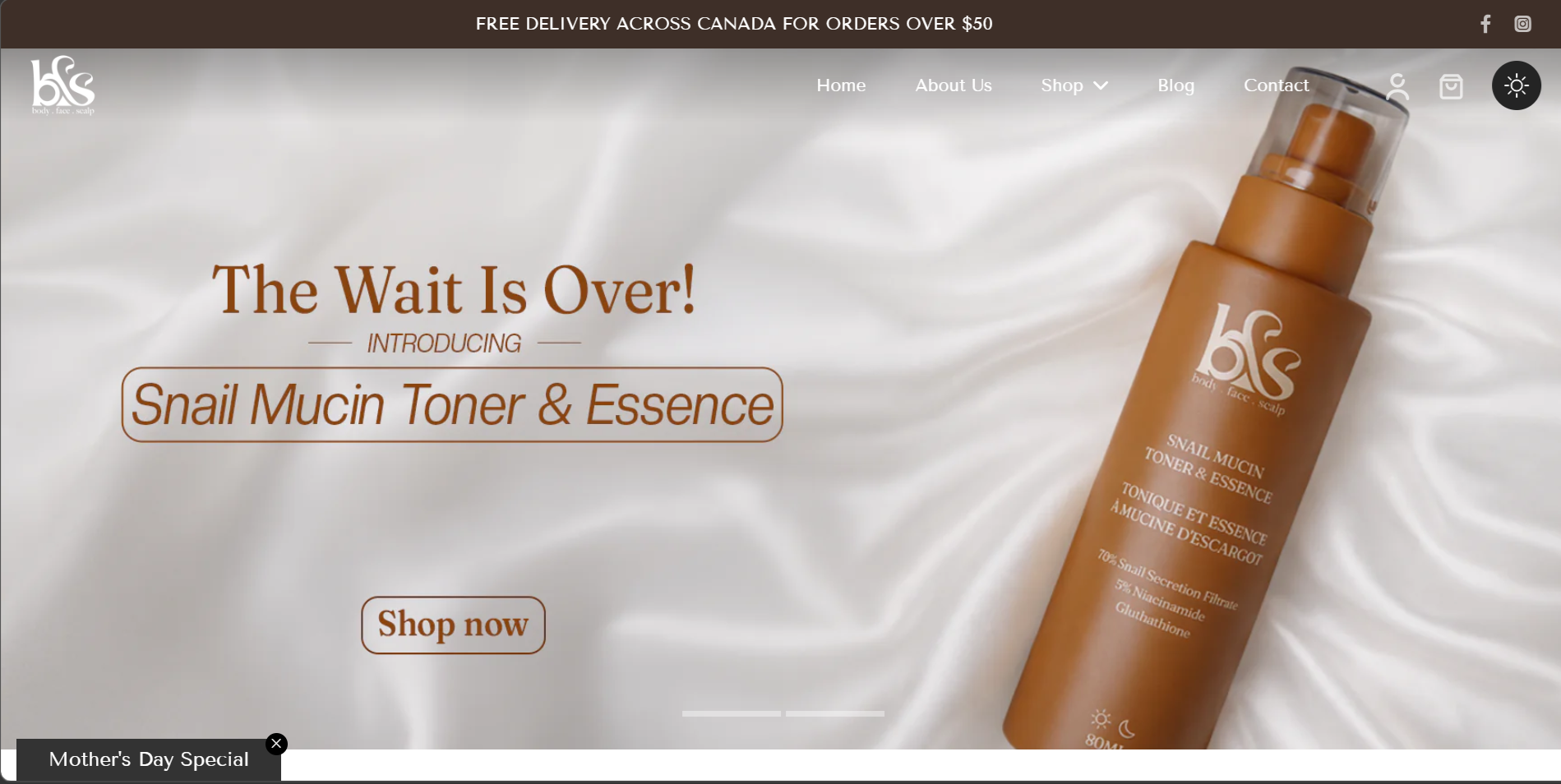
Our Barrier Restoring Moisturizer is built on the same non-comedogenic principles covered in this guide, using humectants and barrier-repair agents rather than heavy occlusive oils. For more guidance on choosing the right formula for your skin type, our non-greasy moisturiser guide walks you through the top alternatives for acne-prone skin.
FAQ
What does non-comedogenic mean in skincare?
Non-comedogenic is the dermatological term for ingredients or products that do not clog pores or cause comedones (blackheads and whiteheads). The term is not regulated in Canada, so verifying the ingredient list yourself is the most reliable approach.
Which oils are safe for acne-prone skin?
Jojoba, grapeseed, and sunflower seed oils are generally safe for acne-prone skin because they are lightweight and high in linoleic acid, rating 0–2 on comedogenicity charts. Individual reactions can still occur, so patch testing is recommended.
Is dimethicone safe for acne-prone skin?
Yes. Dimethicone is a silicone that forms a breathable moisture seal on the skin without blocking pores, making it one of the most suitable ingredients for oily and acne-prone skin types.
How do i spot comedogenic ingredients on a label?
Look for the INCI names of high-risk ingredients: Cocos nucifera oil (coconut oil), Theobroma cacao seed butter (cocoa butter), Triticum vulgare germ oil (wheat germ oil), and isopropyl myristate. These appear in descending order of concentration, so their position in the list indicates how much of the formula they represent.
Can non-comedogenic products still cause breakouts?
Yes. The “non-comedogenic” label is unregulated, and individual skin chemistry varies. Patch testing over 2–4 weeks is the most reliable method for identifying whether a product suits your specific skin, regardless of its label claims.