


Skincare routine checklist for dry, sensitive skin
TL;DR:
- Building a skincare routine for dry sensitive skin relies on gentle cleansing, effective hydration, and barrier protection.
- Key active ingredients include niacinamide vitamin C azelaic acid and centella for soothing and addressing pigmentation.
- Consistency, proper product layering, and protecting the skin with SPF are essential for visible improvements over time.
Building a skincare routine when you have dry, sensitive, or hyperpigmentation-prone skin can feel genuinely overwhelming. The shelves are full of conflicting advice, trending actives, and products promising everything at once. What you actually need is a clear, evidence-based framework that tells you which steps matter, in what order, and with which ingredients. We put together this practical checklist specifically for Canadian women navigating dryness, sensitivity, and uneven skin tone. Whether you are starting from scratch or refining an existing routine, each section breaks down a specific decision so you can move forward with confidence.
Table of Contents
- How to build a sensitive, dry skin routine: The essentials
- Check your ingredients: What to seek and what to skip
- Sample AM/PM skincare routine checklist for Canadian women
- Skincare progress tracking and troubleshooting: What to expect
- Why barrier repair beats chasing every trending ingredient
- Upgrade your skincare with ingredient-led essentials
- Frequently asked questions
Key Takeaways
| Point | Details |
|---|---|
| Core routine steps | Follow a cleanse, treat, moisturize, and protect routine to support dry, sensitive skin effectively. |
| Choose gentle ingredients | Select soothing actives like niacinamide and avoid harsh exfoliants or fragrances for best results. |
| Consistency matters | Improvements are gradual, typically visible in 6 to 8 weeks with steady use of the right products. |
| Barrier repair first | Prioritize repairing your skin barrier before introducing actives to minimize irritation. |
| SPF every day | Daily sun protection is essential to fight hyperpigmentation and prevent flare-ups. |
How to build a sensitive, dry skin routine: The essentials
A well-structured routine does not need to be complicated. For dry and sensitive skin, the goal is to cleanse gently, layer hydration effectively, treat specific concerns, and protect the barrier. Following the right product application order ensures each formula can do its job without interference.
Here are the core steps in the correct sequence:
- Cleanser — Choose a non-foaming, cream or gel cleanser that removes impurities without stripping natural oils. Foaming cleansers often contain surfactants that disrupt the skin barrier, which is the outermost layer that keeps moisture in and irritants out.
- Hydrating toner or essence — Apply a water-based toner with humectants like hyaluronic acid or glycerin. These ingredients draw moisture into the skin. Avoid toners with alcohol or astringents.
- Treatment serum — This is where you address specific concerns like pigmentation or sensitivity. Serums are lightweight and penetrate deeper than moisturisers, so they go on before heavier layers.
- Moisturiser — Seal in the serum and support your barrier with a moisturiser containing ceramides (lipids that reinforce the skin’s protective layer) and emollients. This step is non-negotiable for dry skin types.
- SPF (AM only) — Apply a broad-spectrum SPF 30 or higher every single morning. This is the most important step for preventing new dark spots and protecting any progress you have made with pigmentation.
- Occlusive (PM only) — At night, finish with a thin layer of an occlusive like petrolatum or shea butter to lock in overnight moisture and support barrier repair.
“Dermatologists consistently recommend SPF as the single most impactful daily step for anyone managing hyperpigmentation or post-inflammatory marks.”
For a deeper look at structuring your steps, our sensitive skin routine guide covers how to adapt each layer for Canadian climate conditions.
Pro Tip: Wait 1 to 2 minutes between applying each product layer. This allows each formula to absorb properly and reduces the risk of pilling or irritation from ingredient interactions.
Check your ingredients: What to seek and what to skip
With the core steps established, ingredient selection becomes your most powerful tool. For dry, sensitive, and pigmentation-prone skin, not all actives are created equal. Some calm and correct; others aggravate.
Ingredients to prioritise:
- Niacinamide — A form of vitamin B3 that reduces the appearance of dark spots, strengthens the barrier, and calms redness. It is one of the most versatile and well-tolerated actives available.
- Gentle vitamin C — Look for stabilised forms like ascorbyl glucoside or magnesium ascorbyl phosphate, which are less irritating than pure L-ascorbic acid.
- Azelaic acid — Naturally occurring and effective for both pigmentation and sensitivity. It inhibits melanin production (the pigment responsible for dark spots) without causing the irritation that stronger actives can trigger.
- Centella asiatica — A botanical extract known for its calming and barrier-supporting properties. Ideal for reactive or inflamed skin.
Ingredients to avoid:
- Fragrance (both synthetic and natural) is the leading cause of contact dermatitis in skincare
- Denatured alcohol, which strips moisture and disrupts the barrier
- High-strength AHAs (alpha hydroxy acids) like glycolic acid at concentrations above 5% without professional guidance
- Retinoids at high concentrations before your barrier is stable
Research into hyperpigmentation treatments consistently highlights the importance of pairing gentle actives with a stable barrier routine. Jumping straight to strong exfoliants on compromised skin often worsens sensitivity and can trigger more pigmentation.
Studies also show that niacinamide combined with SPF can meaningfully reduce post-inflammatory hyperpigmentation (PIH) over 8 to 12 weeks, particularly when used consistently. PIH refers to the dark marks left behind after acne, eczema, or any skin inflammation.
Introduce one new active at a time and always patch test on a small area of skin for 24 to 48 hours before applying it to your full face. If you are dealing with persistent melasma or hormonal pigmentation, consult a dermatologist. These conditions often need prescription-strength treatments alongside your routine.
For a full breakdown of what works for reactive skin, explore our guide to ingredients for sensitive skin and our expert-backed sensitive solutions for Canadians.
Sample AM/PM skincare routine checklist for Canadian women
Armed with ingredient knowledge, here is how to put it all together. The table below outlines a practical AM and PM checklist with ingredient suggestions for each step.
| Step | AM routine | PM routine |
|---|---|---|
| Cleanse | Gentle cream cleanser (e.g., CeraVe Hydrating Cleanser) | Double cleanse if wearing makeup: micellar water first, then cream cleanser |
| Tone | Hydrating toner with hyaluronic acid or glycerin | Hydrating toner or essence |
| Treat | Niacinamide serum or gentle vitamin C | Azelaic acid or centella-based serum |
| Moisturise | Ceramide moisturiser (e.g., La Roche-Posay Toleriane) | Richer barrier cream with ceramides and peptides |
| Protect/Seal | Broad-spectrum SPF 30 or higher (e.g., Vivier SPF 30) | Occlusive layer (shea butter or petrolatum-based balm) |
For Canadian women, the climate adds an extra layer of consideration. Cold, dry winters pull moisture from the skin rapidly, making the occlusive PM step especially important from October through April. In summer, a lighter moisturiser works well under SPF without feeling heavy.
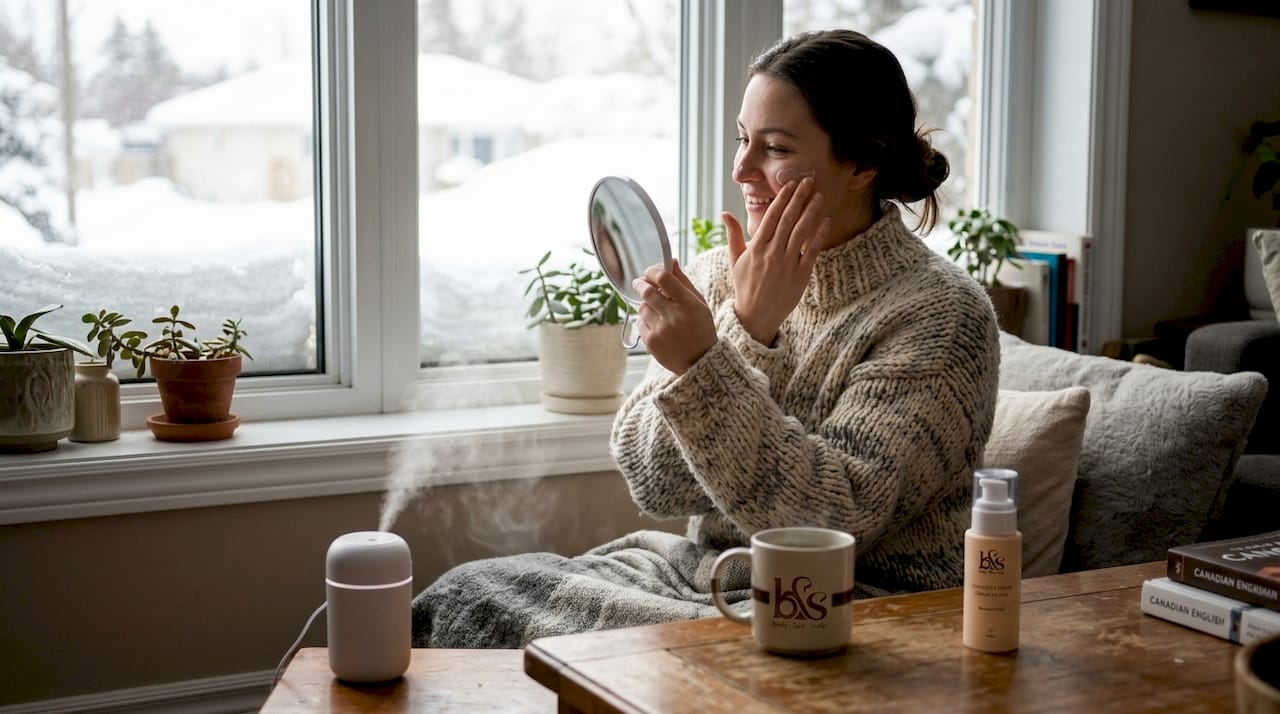
For those with darker skin tones, pigmentation concerns are often more pronounced and take longer to fade. Consistency with SPF and niacinamide is particularly valuable. If you experience severe dryness or cystic breakouts alongside pigmentation, consider adding a holistic barrier repair approach before introducing any new actives.
Our barrier restoring moisturizer guide explains exactly what to look for in a PM moisturiser for compromised or dry skin.
Pro Tip: If you wear makeup, always double cleanse in the evening. A single cleanse rarely removes all sunscreen and foundation, and residue left overnight can clog pores and contribute to inflammation.
Experts note that AM and PM routine nuances matter more than most people realise, particularly when managing multiple concerns simultaneously.
Skincare progress tracking and troubleshooting: What to expect
Knowing what to expect keeps you consistent and helps you spot problems early. Here is a realistic timeline for a new routine:
| Week | What you may notice | Warning signs |
|---|---|---|
| 1 to 2 | Skin feels more hydrated; mild purging possible | Burning, stinging, or new redness |
| 3 to 4 | Texture begins to smooth; barrier feels more stable | Persistent breakouts or peeling |
| 5 to 6 | Tone starts to even; dark spots may appear lighter | No change at all, or worsening dryness |
| 7 to 8 | Visible improvement in hydration and pigmentation | Increased sensitivity to products you tolerated before |
Research confirms that visible skin improvements typically require 6 to 8 weeks of consistent use, with some pigmentation concerns taking longer depending on depth and cause.
If your routine is not delivering results or is causing irritation, follow these troubleshooting steps:
- Strip back to basics. Remove all actives and return to cleanser, moisturiser, and SPF for one week to let your barrier recover.
- Reintroduce one product at a time. Wait at least one week between each addition so you can identify the trigger.
- Check for over-exfoliation. Signs include shininess, stinging with water, and increased sensitivity. Pause all exfoliants immediately.
- Review lifestyle factors. Hydration, sleep quality, and stress all affect skin barrier function. Even the best routine cannot fully compensate for chronic sleep deprivation or dehydration.
- See a dermatologist if irritation persists, if pigmentation is not responding after 12 weeks, or if you suspect a condition like rosacea or eczema.
Understanding your skin barrier and how to protect it is the foundation of every troubleshooting decision. For a focused look at what helps repair it, our guide to barrier repair ingredients is a practical starting point.
Why barrier repair beats chasing every trending ingredient
We see it constantly. A new serum goes viral, and suddenly everyone is layering it over an already reactive routine. The result is almost always the same: more irritation, more sensitivity, and more pigmentation from the inflammation that follows.
Here is what we have learned: most effective routines do not start with the most exciting ingredients. They start with barrier repair. When your skin barrier is intact, it can actually tolerate and respond to actives. When it is compromised, even gentle ingredients can cause flares.
Niacinamide is the best example of this principle in action. It is not flashy, but expert consensus on hyperpigmentation repeatedly points to it as one of the most effective and well-tolerated options available, precisely because it works with the barrier rather than against it.
Our advice: resist the urge to add the newest active until your barrier is stable and your routine is consistent. Explore our guide to emollient barrier repair solutions to understand how to build that foundation first. Trends will always come and go. A healthy barrier is what makes everything else work.
Upgrade your skincare with ingredient-led essentials
Building a routine that genuinely works for dry, sensitive, and hyperpigmented skin means choosing products formulated with the right ingredients at the right concentrations. Generic formulas rarely deliver the results you are looking for.

At Body Face Scalp, our skin care collection is built around barrier repair and targeted correction. Our barrier restoring moisturizer delivers ceramides and emollients in a formula designed for Canadian skin in all seasons. For pigmentation and texture, our multi-peptide serum supports collagen and tone with science-backed actives. Review your current routine against the checklist above and see where these formulas fit as your next step forward.
Frequently asked questions
What is the best order to apply skincare products for sensitive, dry skin?
Apply a gentle cleanser, followed by a hydrating toner, treatment serum, barrier-restoring moisturiser, and SPF in the morning, or an occlusive at night. Following this correct product order ensures each layer absorbs effectively without interference.
How can I safely add actives like vitamin C or niacinamide to my routine?
Introduce only one active at a time, start with a lower concentration, and patch test new actives for 24 to 48 hours before full application to minimise the risk of irritation.
How quickly should I expect results from my skincare routine?
Visible improvements in hydration often appear within 2 to 4 weeks, while hyperpigmentation typically takes 6 to 8 weeks of consistent use to show meaningful change.
Can I skip moisturiser if I use a hydrating serum?
No. A moisturiser is essential to seal in hydration and reinforce the skin barrier. Serums hydrate but do not protect the barrier the way a ceramide-rich moisturiser does, especially for dry or sensitive skin types.
What is the most important daily step for hyperpigmentation?
Applying a broad-spectrum SPF every morning is the single most critical step. Without it, UV exposure continues to trigger melanin production and undoes the progress made by any treatment you apply.
Recommended
- Sensitive skin routine guide: Soothe, strengthen, protect – Body Face Scalp
- Sensitive skin solutions: Top expert-backed options for Canadians – Body Face Scalp
- Understand your skin barrier: how to protect and repair it – Body Face Scalp
- Skin repair: 5 key ingredients for sensitive Canadian skin – Body Face Scalp