


Long lasting hydration skincare: your complete guide
TL;DR:
- Long-lasting hydration skincare integrates humectants, emollients, and occlusives to strengthen the skin barrier and prevent TEWL. Clinical evidence shows multi-ingredient formulas outperform single-actives, emphasizing correct ingredient layering for sustained moisture. Using suitable textures and a proper routine, along with supportive lifestyle habits, enhances long-term skin hydration and health.
Long lasting hydration skincare is defined as a formulation strategy that combines humectants, emollients, and occlusives to attract moisture, replenish skin lipids, and seal water into the skin to prevent transepidermal water loss (TEWL). This approach goes beyond simply applying a moisturiser. It targets the skin barrier itself, the foundation of healthy, resilient skin. Clinical studies published in journals like MDPI confirm that multi-ingredient formulas outperform single-active products for sustained hydration. At Bodyfacescalp, we build every formula around this principle because dry, sensitive skin in Canada’s climate demands more than surface-level moisture.
1. Why long lasting hydration skincare needs all three ingredient classes
The most common reason moisturisers fail to deliver durable results is incomplete formulation. Most products address one or two of the three key ingredient classes and leave the rest to chance.
Here is how each class functions:
- Humectants (glycerin, hyaluronic acid, urea) draw water from the environment and deeper skin layers into the stratum corneum. They are excellent at creating an immediate plumping effect, but humectants used alone can actually increase TEWL by pulling water to the surface where it evaporates.
- Emollients (shea butter, squalane, fatty acids) fill the gaps between skin cells, smoothing texture and replenishing the lipid matrix that holds the barrier together. They make skin feel soft and supple without a heavy finish.
- Occlusives (petrolatum, dimethicone, beeswax) form a physical film over the skin surface that slows water evaporation. They are most effective when layered over a humectant, trapping the moisture that has already been drawn in.
The synergy of these three classes is what separates a genuinely hydrating product from one that simply feels nice for an hour. Without the occlusive seal, humectant-driven hydration tends to evaporate quickly, especially in dry or cold climates.
Pro Tip: Apply your occlusive-rich moisturiser immediately after cleansing while your skin is still slightly damp. This traps the residual water on the surface and amplifies the humectant effect significantly.
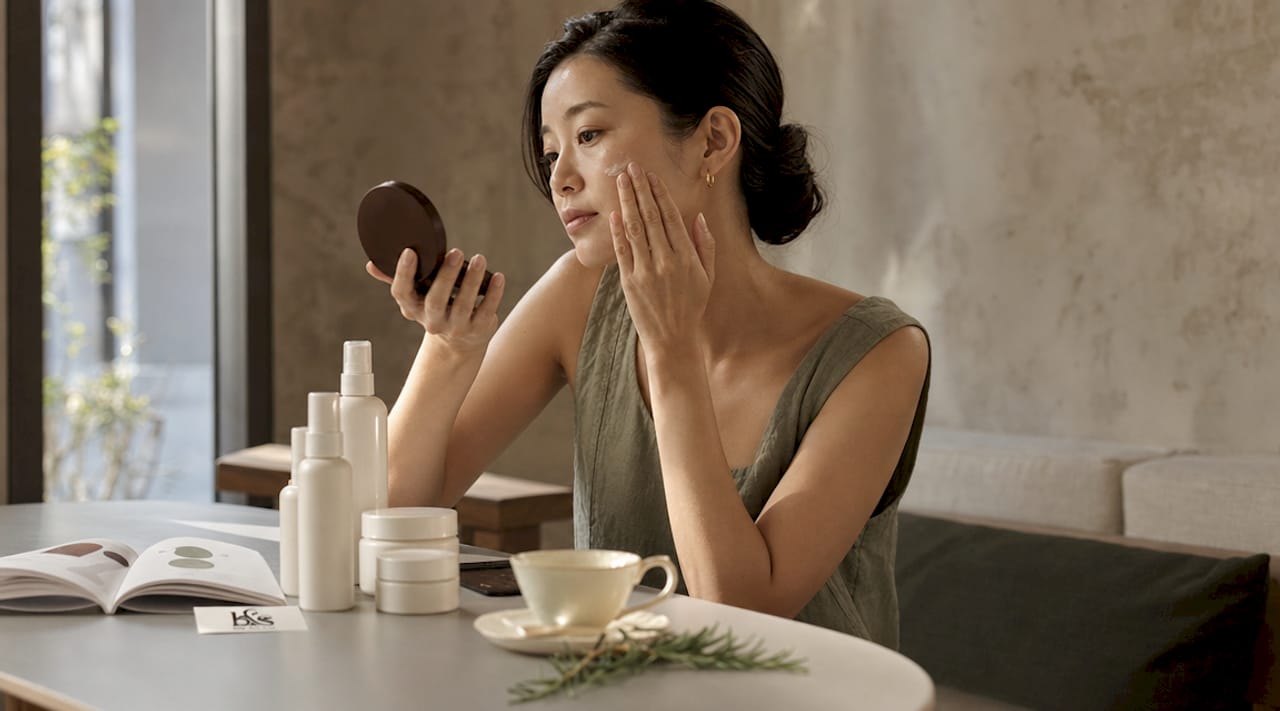
2. Clinically proven ingredients for deep, enduring hydration
Choosing the right actives separates marketing claims from measurable results. Several ingredients now have strong clinical backing for both immediate and sustained hydration.
-
Pumpkin seed oil with polysaccharides. An ultra-micro liquid crystal emulsion containing these two ingredients significantly improved skin hydration and reduced TEWL in a controlled human volunteer study, measured using Corneometer® and Tewameter® devices. This formulation approach delivers actives deeper into the stratum corneum than conventional emulsions.
-
Biomimetic collagen tripeptides with niacinamide and glycols. A multi-ingredient serum lotion combining these actives achieved hydration increases of up to 72.5% at 15 minutes post-application. Hydration remained elevated by 26.8% after 72 hours, and facial dryness decreased by 93.7% by week four. Niacinamide strengthens the barrier while glycols enhance ingredient penetration.
-
Ceramides with ultra-long acyl chains (C24 to C30). Not all ceramides perform equally. Research shows that longer-chain ceramides produce significantly stronger barrier recovery and hydration improvements than shorter-chain variants. This matters when selecting a ceramide moisturiser because chain length is rarely disclosed on packaging.
-
Squalane and bisabolol. These two ingredients appear in formulas like the OSEA Seabiotic Water Cream, which increased skin hydration by 173% instantly and delivered 72-plus hours of deep hydration in clinical testing. Squalane is a lightweight lipid that mimics the skin’s own sebum, making it suitable for oily and dry skin types alike.
| Ingredient | Primary function | Hydration duration |
|---|---|---|
| Hyaluronic acid | Humectant, draws water into skin | Short term without occlusive |
| Ceramides C24 to C30 | Barrier repair, lipid restoration | Long term with consistent use |
| Biomimetic collagen tripeptides | Barrier support, moisture retention | Up to 72 hours clinically |
| Pumpkin seed oil | Emollient, TEWL reduction | Sustained with liquid crystal delivery |
| Squalane | Emollient, sebum-mimicking lipid | 72-plus hours in clinical testing |
3. Choosing the right product texture for your skin type
Product texture is not just about feel. It directly affects how deeply actives penetrate and how long moisture stays locked in. Understanding the differences helps you build a hydrating skincare routine that actually works for your skin type and climate.
Creams are the gold standard for dry and sensitive skin. Their oil-in-water or water-in-oil base delivers both humectants and emollients in a single step, and they typically contain enough occlusive content to reduce overnight TEWL. For Canadians dealing with harsh winters, a cream with ceramides and glycerin is a practical daily choice.
Serums are water-based and penetrate quickly, making them ideal for delivering concentrated humectants like hyaluronic acid. They are not sufficient on their own for dry skin because they lack the lipid content needed to seal moisture. Layer a serum under a cream or lotion for best results.
Water creams sit between serums and traditional creams in texture. Formulas like the OSEA Seabiotic Water Cream use microbiome-friendly pre- and probiotics alongside squalane to deliver hydration without heaviness. These work well for combination and oily skin types who find standard creams too rich.
Lotions are lighter than creams and absorb faster, but only about 50% of moisturiser remains on the skin surface eight hours after application. This means lotions require more frequent reapplication to maintain hydration, particularly in summer or air-conditioned environments.
- Dry skin: choose a cream with ceramides, glycerin, and shea butter
- Oily or combination skin: choose a water cream or gel-cream with hyaluronic acid and niacinamide
- Sensitive skin: choose fragrance-free formulas with bisabolol, ceramides, and squalane
- Summer or humid climates: choose lightweight water-based moisturisers with humectants and minimal occlusives
You can explore the top skin hydration products for 2026 to compare formulations across these categories.
4. How to build a hydrating skincare routine for lasting moisture
A well-ordered routine is as important as the products themselves. Applying actives in the wrong sequence reduces their effectiveness and can even compromise the barrier you are trying to repair.
-
Cleanse gently. Use a sulphate-free, pH-balanced cleanser that does not strip the skin’s natural oils. Harsh cleansers disrupt the acid mantle and accelerate TEWL before you have even applied a single hydrating product. Pat skin dry rather than rubbing.
-
Apply your humectant first. A hyaluronic acid or glycerin serum goes on damp skin immediately after cleansing. This is the step where water is drawn into the skin. Waiting too long after cleansing reduces the effectiveness of this step.
-
Follow with an emollient. A lotion or light cream containing fatty acids, squalane, or niacinamide smooths the surface and begins replenishing the lipid barrier. This is also the step to include any treatment actives like peptides or ceramides.
-
Seal with an occlusive-rich moisturiser. This is the final and most important step for long-term skin moisture. A cream containing petrolatum, dimethicone, or beeswax locks in everything applied underneath. For a complete skincare routine order, this step should never be skipped, especially at night.
-
Reapply midday if needed. Given that hydration peaks early then decreases gradually, a midday application of a lightweight moisturiser or facial mist over your existing SPF can meaningfully extend moisture levels throughout the day.
Common mistakes that reduce hydration persistence include skipping the occlusive step, applying products to completely dry skin, and using alcohol-based toners that disrupt the barrier before moisturising.
Pro Tip: For long lasting hydration skincare for summer, swap your heavy cream for a water-based moisturiser in the morning and reserve your richer formula for your evening routine. This prevents congestion while maintaining barrier support.
You can also review the best skincare routine guide for a step-by-step breakdown tailored to Canadian skin concerns.
5. Lifestyle habits that support long-term skin moisture
Topical products do the heavy lifting, but internal and environmental factors significantly affect how well your skin holds moisture over time.
Drinking adequate water supports skin turgor and overall cellular function, though it does not directly hydrate the stratum corneum. The real impact comes from reducing factors that accelerate TEWL: central heating, low humidity, hot showers, and prolonged sun exposure all degrade the barrier faster than products can repair it. Using a humidifier in winter, keeping shower temperatures moderate, and applying SPF daily are practical steps that extend the life of your hydrating routine.
Diet also plays a role. Omega-3 fatty acids from sources like flaxseed, walnuts, and salmon support the production of skin lipids that form the barrier. A deficiency in essential fatty acids is directly linked to increased TEWL and chronic dryness. Pairing a lipid-rich diet with effective barrier repair ingredients in your topical routine produces noticeably better results than either approach alone.
Key takeaways
Durable skin hydration requires a layered approach combining humectants, barrier-repairing emollients, and occlusive-rich moisturisers applied in the correct order and supported by consistent daily habits.
| Point | Details |
|---|---|
| Layer all three ingredient classes | Humectants, emollients, and occlusives work together; none performs optimally alone. |
| Choose ceramides by chain length | Ceramides with C24 to C30 acyl chains deliver stronger barrier recovery than shorter variants. |
| Reapply strategically | Only 50% of moisturiser remains on skin after 8 hours; midday reapplication extends hydration. |
| Match texture to skin type | Creams suit dry skin; water creams and serums suit oily or combination skin types. |
| Routine order matters | Apply humectant first, emollient second, and occlusive last for maximum moisture retention. |
Why I think most people are solving the wrong hydration problem
Most people who struggle with dry or tight skin are not using the wrong moisturiser. They are using the right moisturiser in the wrong order, or skipping the occlusive step entirely because it feels heavy. I have seen this pattern repeatedly. Someone invests in a high-quality hyaluronic acid serum, applies it to dry skin, skips the cream because they are in a hurry, and then wonders why their skin still feels parched by noon.
The science is clear on this. Humectants are not a standalone solution. They are the first half of a two-step mechanism, and without the lipid seal, you are essentially drawing water to the surface of your skin and letting it evaporate. This is especially relevant in Canada, where cold, dry air and indoor heating create conditions that accelerate TEWL faster than most formulas can compensate for.
What I find genuinely encouraging is the recent clinical work on ceramide chain length and liquid crystal delivery systems. These are not marketing angles. They are measurable improvements in how long moisture stays in the skin. The science behind ceramide moisturisers has advanced significantly in the past few years, and formulas built on this research perform noticeably better than older barrier creams.
Patience matters too. Barrier repair is not a one-week result. Consistent use of the right formulation over four to eight weeks produces the kind of structural improvement that reduces sensitivity and dryness at the source, not just on the surface.
— Mohid
Restore your barrier with Bodyfacescalp
If you have been layering products without seeing lasting results, the issue is likely formulation, not effort. Bodyfacescalp’s Barrier Restoring Moisturiser is built specifically for this problem. It combines ceramides, humectants, and occlusive-rich emollients in a single formula designed for Canadian skin conditions, where cold air and indoor heating push TEWL to its highest levels.
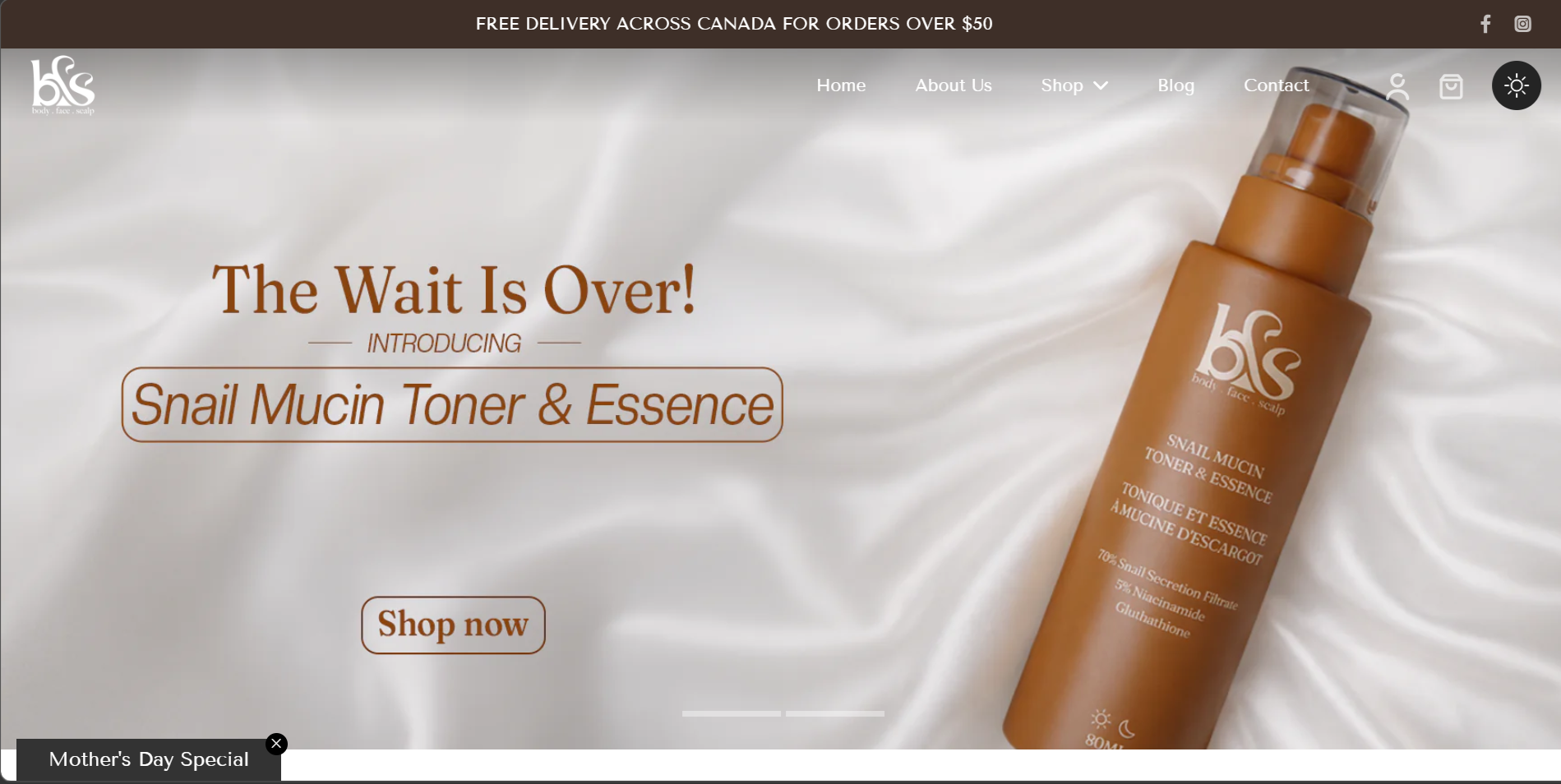
The formula is fragrance-free, suitable for sensitive and dry skin, and formulated to support the full three-class hydration strategy covered in this article. You can also explore the full skincare collection for complementary products that support barrier health from cleansing through to moisturising.
FAQ
What does long lasting hydration skincare actually mean?
Long lasting hydration skincare refers to formulations that combine humectants, emollients, and occlusives to attract, replenish, and seal moisture into the skin, reducing TEWL over an extended period rather than providing only short-term surface moisture.
How do I know if my moisturiser is truly hydrating my skin?
A genuinely hydrating moisturiser should leave your skin feeling comfortable for at least six to eight hours without tightness or flaking. Clinical tools like Corneometer® measurements confirm hydration levels, but at home, the absence of dryness and sensitivity after several weeks of consistent use is a reliable indicator.
Which ingredients provide the longest-lasting hydration?
Biomimetic collagen tripeptides combined with niacinamide and glycols have shown hydration lasting up to 72 hours in clinical trials. Ceramides with ultra-long acyl chains (C24 to C30) also deliver measurable barrier recovery that sustains moisture retention over time.
How often should I apply moisturiser for best results?
Apply moisturiser twice daily, morning and evening, as a baseline. Given that only about half of a moisturiser’s content remains on the skin after eight hours, a midday reapplication is beneficial for dry skin types or during winter months in Canada.
Can I achieve hydrated skin with a simple two-step routine?
Yes. A sulphate-free cleanser followed by a well-formulated cream containing all three ingredient classes (humectant, emollient, and occlusive) can deliver strong results. The key is choosing a formula that addresses all three functions rather than relying on a single active.