


Peptides for anti aging: benefits, science & results
TL;DR:
- Peptides are short amino acid chains that stimulate skin cells to produce collagen and elastin, improving firmness and brightness. Clinical studies confirm they effectively enhance hydration, brightness, and reduce wrinkles when used consistently, especially GHK-Cu and collagen supplements. Topical and oral peptides are safer options, while injectable forms lack sufficient evidence and pose greater risks.
Peptides for anti aging are short chains of amino acids that signal skin cells to produce more collagen and elastin, directly improving firmness, hydration, and brightness. In clinical terms, these molecules are called bioactive peptides or cell-signalling peptides, and they work by mimicking the body’s own repair signals. A meta-analysis of 19 RCTs with 1,341 participants confirmed that peptides significantly improve skin hydration and brightness, with a measurable effect on wrinkle reduction. Among the most studied is GHK-Cu (copper peptide), which has become the reference standard in peptide therapy for skin. Understanding how these molecules work helps you choose the right products and set realistic expectations.
How do peptides work to combat signs of skin aging?
Peptides function as biological messengers. When applied topically or taken orally, they bind to receptors on skin cells and trigger specific repair responses, including collagen synthesis, elastin production, and barrier reinforcement.
Here is how the process unfolds:
- Signal delivery: Peptides penetrate the upper layers of skin and communicate with fibroblasts, the cells responsible for producing structural proteins like collagen and elastin.
- Gene regulation: GHK-Cu, in particular, regulates up to 30% of human genes linked to skin rejuvenation. That scope of influence is what separates it from most other topical actives.
- Repair activation: Once signalled, fibroblasts increase collagen output, which firms skin and reduces the appearance of fine lines over time.
- Delivery route matters: Oral polypeptides show better results on skin elasticity and hydration compared to topical forms alone. Topical peptides remain the most accessible and safest entry point for most people, while injectable forms carry more risk and less clinical backing.
One challenge worth knowing: peptides are highly specific but unstable, meaning they can break down before reaching their target. This is why formulation quality matters. A well-designed serum with encapsulated peptides will outperform a poorly stabilised one, regardless of the peptide concentration listed on the label.
Pro Tip: Look for peptide serums that list peptides within the first five ingredients and include stabilising agents like hyaluronic acid or glycerin. These help the peptides remain active long enough to penetrate the skin.
What are the most effective peptides for skin anti-aging?
Not all peptides perform equally. The nine peptides most studied for aging interventions include GHK-Cu, BPC-157, TB-500, and epitalon, each with different mechanisms, evidence levels, and safety profiles.
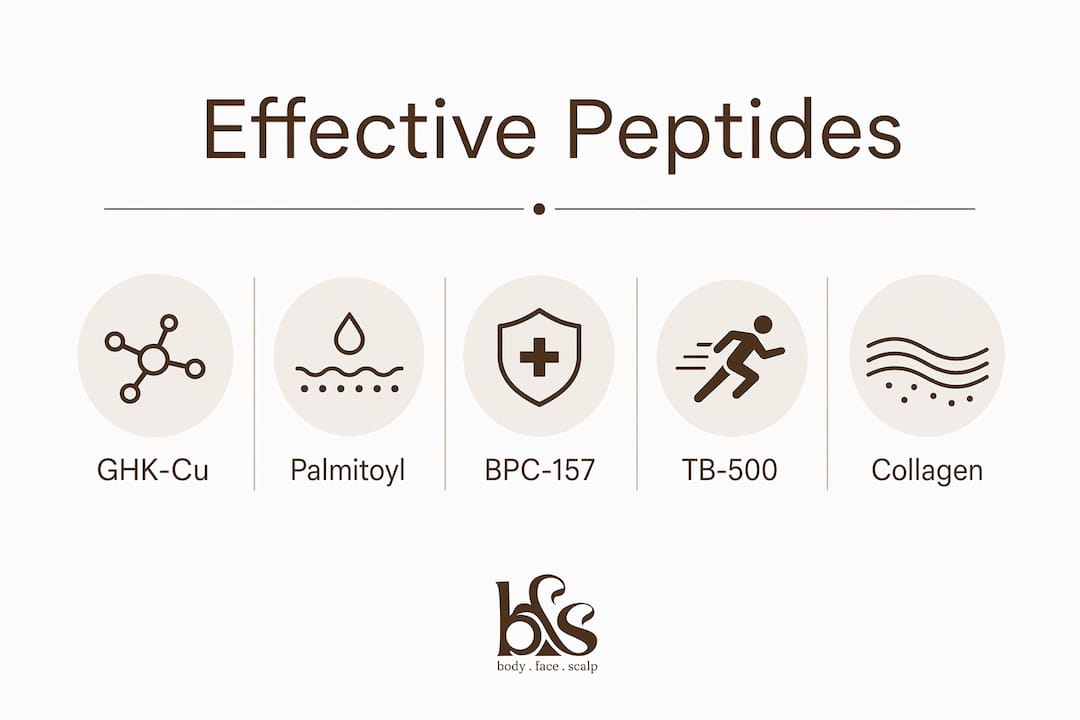
Here is a comparison of the most discussed options:
| Peptide | Mechanism | Evidence Level | Safety Profile | Best Application |
|---|---|---|---|---|
| GHK-Cu | Gene regulation, collagen synthesis | Strong (human trials) | Well tolerated topically | Topical serums, moisturisers |
| Collagen peptides | Stimulates fibroblast activity | Moderate (oral RCTs) | Safe for most adults | Oral supplements |
| BPC-157 | Tissue repair, anti-inflammatory | Limited (mostly animal data) | Unregulated, uncertain | Not recommended without medical guidance |
| TB-500 | Cell migration, wound healing | Limited (animal studies) | Unregulated, uncertain | Not recommended without medical guidance |
| Epitalon | Telomere lengthening | Preliminary | Limited human data | Experimental only |
GHK-Cu is the gold standard for topical use. Its skin rejuvenation properties are backed by gene expression research and multiple clinical observations. Collagen peptides taken orally also have credible support from randomised controlled trials, making them a reasonable addition to a daily supplement routine.
BPC-157 and TB-500 are a different story. These peptides are widely promoted in wellness communities, but the injectable peptide market remains largely unregulated with limited human clinical trial data. That gap between marketing claims and actual evidence is significant.
- GHK-Cu and collagen peptides have the strongest evidence base for topical and oral use.
- BPC-157 and TB-500 lack well-designed human trials validating anti-aging effectiveness.
- Peptide stacks promoted for anti-aging often lack robust clinical evidence and face regulatory scrutiny.
- Injectable peptides carry risks that topical forms do not, including contamination and dosing uncertainty.
Pro Tip: If you are exploring collagen peptides for aging as a supplement, look for hydrolysed collagen with a molecular weight under 5,000 daltons. Smaller fragments absorb more efficiently in the gut and reach the dermis more effectively.
What does the latest research say about peptide effectiveness?
The science on peptides for wrinkles and skin aging has matured considerably. The evidence now supports their use for hydration and brightness, with more modest but statistically significant results for wrinkle reduction.
“Peptides significantly improve skin hydration and brightness, with a modest but statistically significant effect on wrinkle reduction (MD = 0.27, p = 0.04).” — Frontiers in Medicine, 2026 meta-analysis of 19 RCTs
That finding is meaningful because it comes from a pooled analysis of 1,341 participants across multiple trial designs. It tells us peptides work, but they are not a replacement for retinoids or professional treatments when deep wrinkle correction is the goal.
On safety, peptides are well tolerated in human trials with FDA-approved agents showing strong safety records in large studies. Topical and oral forms carry a low risk of adverse effects for most skin types. The concern lies with injectable peptides, where the lack of regulatory oversight and limited human data make it difficult to assess true risk.
The honest picture: peptides are not a shortcut. Unresolved questions about optimal dosing, long-term safety, and regulatory approval remain, particularly for newer and injectable compounds. What we do know is that topical and oral peptides, used consistently, deliver real and measurable improvements in skin quality.
How to incorporate peptides into your skincare routine
Peptides are among the most compatible actives in skincare. They work well alongside other ingredients and rarely cause irritation, which makes them suitable for nearly every skin type, including sensitive and reactive skin.
Dermatologists consistently recommend peptides as non-irritating ingredients that pair well with retinol, niacinamide, and sunscreen without causing the redness or peeling associated with stronger actives. That compatibility is one of their most underrated qualities.
Here is how to build peptides into your daily routine effectively:
- Morning routine: Apply a peptide serum after cleansing and toning. Follow with a moisturiser containing peptides and ceramides, then finish with SPF 30 or higher. Peptides and niacinamide work well together in this sequence.
- Evening routine: Use a peptide serum after any exfoliating acids have fully absorbed. Peptides do not compete with retinol but should be applied in separate steps to avoid formulation interference.
- Sensitive skin: Peptides are the preferred alternative to retinol for those who cannot tolerate vitamin A derivatives. They support skin firmness without triggering a sensitivity response.
- Summer routine: In a peptides for anti aging summer routine, lightweight peptide serums layer well under mineral sunscreen without pilling or heaviness. Pair with a hydrating mist to maintain moisture in humid or air-conditioned environments.
- Oral supplementation: Collagen peptides taken daily in the morning, mixed into water or a smoothie, complement topical use by supporting dermal structure from within.
For a deeper look at how peptides support skin hydration and brightness, the formulation details matter as much as the peptide type. At Bodyfacescalp, we formulate with this in mind, prioritising peptide stability and delivery alongside barrier-supporting ingredients.
Pro Tip: Avoid mixing peptide serums directly with vitamin C (ascorbic acid) in the same step. The acidic pH of vitamin C can destabilise certain peptides. Apply vitamin C first, allow it to absorb fully, then follow with your peptide serum.
Key takeaways
Anti aging peptides deliver clinically supported benefits for hydration, brightness, and skin firmness when used consistently in well-formulated topical or oral products.
| Point | Details |
|---|---|
| GHK-Cu leads the evidence | GHK-Cu regulates up to 30% of skin-related genes, making it the most clinically supported topical peptide. |
| Oral peptides add measurable value | Oral polypeptides show stronger effects on elasticity and hydration than topical forms used alone. |
| Injectables carry real risk | BPC-157 and TB-500 lack human clinical trial data and operate in an unregulated market. |
| Peptides suit sensitive skin | Peptides are non-irritating and compatible with retinol, niacinamide, and SPF in daily routines. |
| Formulation quality determines results | Peptide stability and delivery method affect efficacy more than concentration alone. |
What i have learned after years of watching the peptide market
I have followed the peptide space closely for years, and the gap between what is marketed and what is proven has never been wider. GHK-Cu and collagen peptides have earned their place in evidence-based skincare. The clinical data is real, the safety profile is solid, and the results, while not dramatic, are consistent and cumulative.
What concerns me is the injectable peptide trend. BPC-157 and TB-500 are being promoted with the same confidence as established actives, but the human data simply does not exist to back those claims. People are injecting compounds sourced from unregulated suppliers based on animal studies and anecdotal reports. That is a meaningful risk that does not get discussed enough in wellness content.
My honest recommendation: start with what works. A well-formulated peptide serum, a quality moisturiser with GHK-Cu or palmitoyl tripeptide-1, and a daily collagen supplement will deliver real results over 8–12 weeks. Pair those with SPF and niacinamide, and you have a routine that addresses the root causes of fine lines and wrinkles without unnecessary risk.
The peptide craze is not all hype. But it rewards the informed consumer, not the one chasing the newest injectable stack.
— Mohid
Peptide skincare from Bodyfacescalp: built for real results
At Bodyfacescalp, we formulate with bioactive peptides at the centre of our anti-aging approach because the evidence supports it. Our products are designed for Canadian skin, which means they account for barrier stress from cold, dry winters and the UV exposure of summer months.
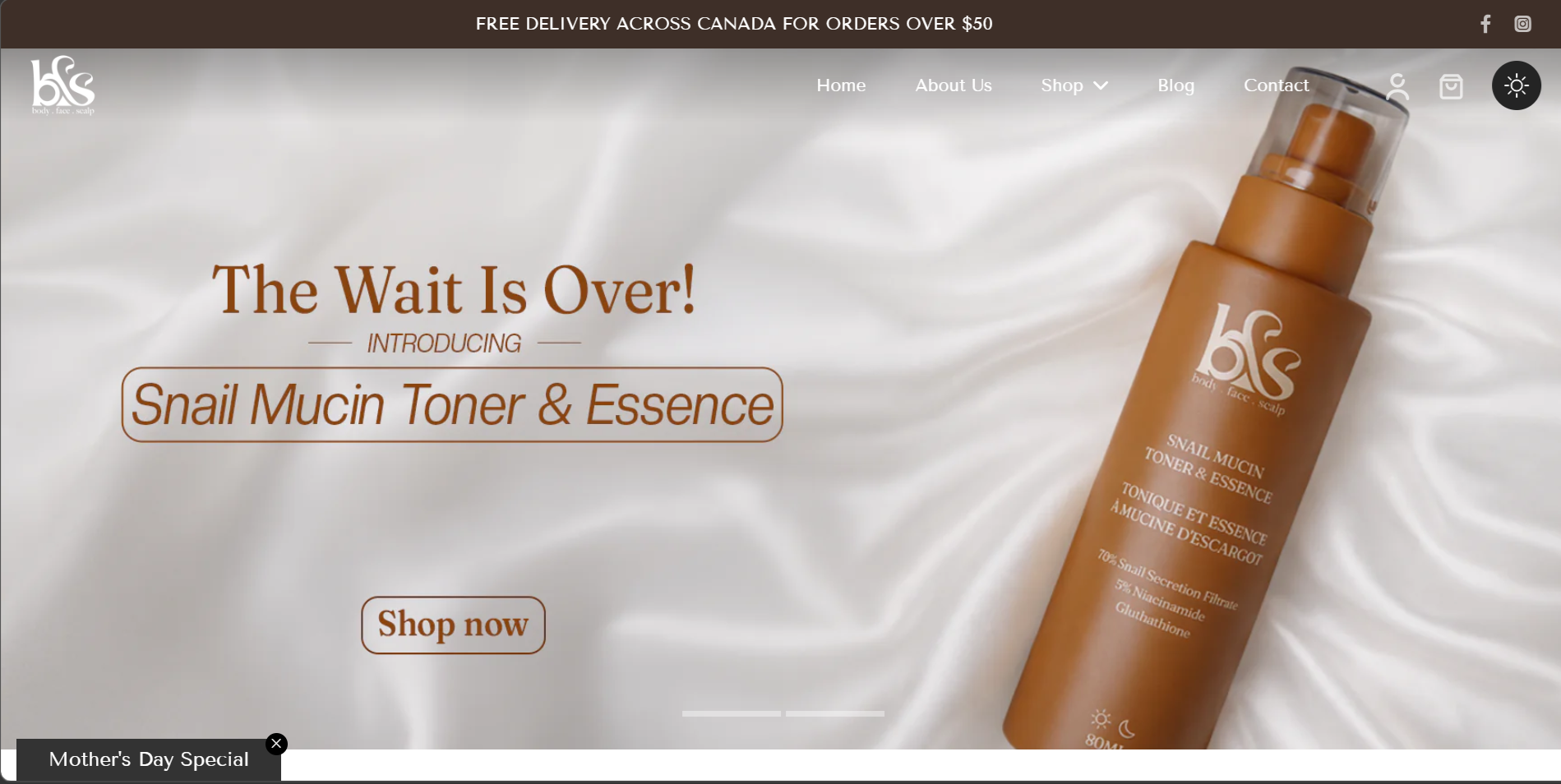
Our skin care collection includes peptide serums and moisturisers built around GHK-Cu, palmitoyl peptides, and barrier-restoring ceramides. The Barrier Restoring Moisturizer combines bioactive peptides with lipid-replenishing ingredients to support skin renewal and firmness without irritation. If you want to explore multi-peptide serum benefits before committing to a full routine, our blog breaks down exactly what each peptide does and why it belongs in your regimen.
FAQ
What are peptides for anti aging?
Peptides for anti aging are short chains of amino acids that signal skin cells to produce collagen and elastin, improving firmness, hydration, and brightness. They are classified as bioactive or cell-signalling peptides in dermatology.
Which peptide is most effective for skin aging?
GHK-Cu is the most clinically supported peptide for skin aging, with research showing it regulates up to 30% of human genes related to skin rejuvenation and collagen production.
Are injectable peptides like bpc-157 safe?
The injectable peptide market is largely unregulated, and BPC-157 and TB-500 lack robust human clinical trial data confirming their safety or anti-aging effectiveness. Topical and oral forms carry a significantly lower risk profile.
Can peptides be used on sensitive skin?
Yes. Peptides are non-irritating and well tolerated by sensitive skin, making them a preferred alternative to retinol or exfoliating acids for those prone to redness or reactivity.
How long does it take to see results from peptide skincare?
Most clinical trials measure outcomes at 8–12 weeks of consistent use. Improvements in hydration and brightness tend to appear earlier than changes in wrinkle depth, which require sustained collagen remodelling over time.