


Protect your skin in cold weather: A barrier repair guide
TL;DR:
- Canadian winters harshly damage the skin barrier through low humidity, wind, and indoor heating, causing dryness and sensitivity.
- A barrier-focused routine with ceramides, humectants, and occlusives, applied consistently, can restore skin health during winter.
- Avoid hot showers, fragranced products, and neglecting lip and hand protection to prevent further barrier compromise in extreme cold climates.
That familiar sting of cold air hitting your face the moment you step outside, the uncomfortable tightness pulling across your cheeks, the flaking patches that appear no matter how much water you drink — if you live in Canada, you know this feeling well. Canadian winters are not just cold, they are genuinely aggressive on your skin’s protective barrier. The good news is that with the right understanding and a barrier-focused routine, you can stop the seasonal damage cycle and keep your skin comfortable, healthy, and resilient from November right through to April.
Table of Contents
- Why your skin suffers in cold Canadian weather
- Essential products and ingredients for barrier repair
- Step-by-step winter skin protection routine
- Troubleshooting: Common mistakes and how to avoid them
- How to know your skin barrier is healing
- Why most cold weather skincare advice doesn’t work for Canadians
- Discover premium Canadian barrier repair solutions
- Frequently asked questions
Key Takeaways
| Point | Details |
|---|---|
| Barrier repair is crucial | Repairing your skin barrier protects against dryness and sensitivity in harsh Canadian winters. |
| Choose the right ingredients | Look for ceramides, humectants, and fragrance-free formulas to prevent irritation. |
| Moisturize after showering | Applying moisturizer immediately after bathing locks in hydration and maximises barrier benefits. |
| Avoid common winter mistakes | Steer clear of long, hot showers, harsh cleansers, and skipping SPF even in winter. |
| Patience brings results | Consistent, barrier-focused routines deliver visible improvements in comfort and appearance over several weeks. |
Why your skin suffers in cold Canadian weather
After establishing the struggle, it’s important to understand exactly what happens to your skin during harsh Canadian winters.
Your skin barrier, known clinically as the stratum corneum, functions like a protective seal. It holds moisture in and keeps irritants out. When that seal is compromised, your skin becomes reactive, dry, and vulnerable. Canadian winters attack this barrier from multiple directions at once.
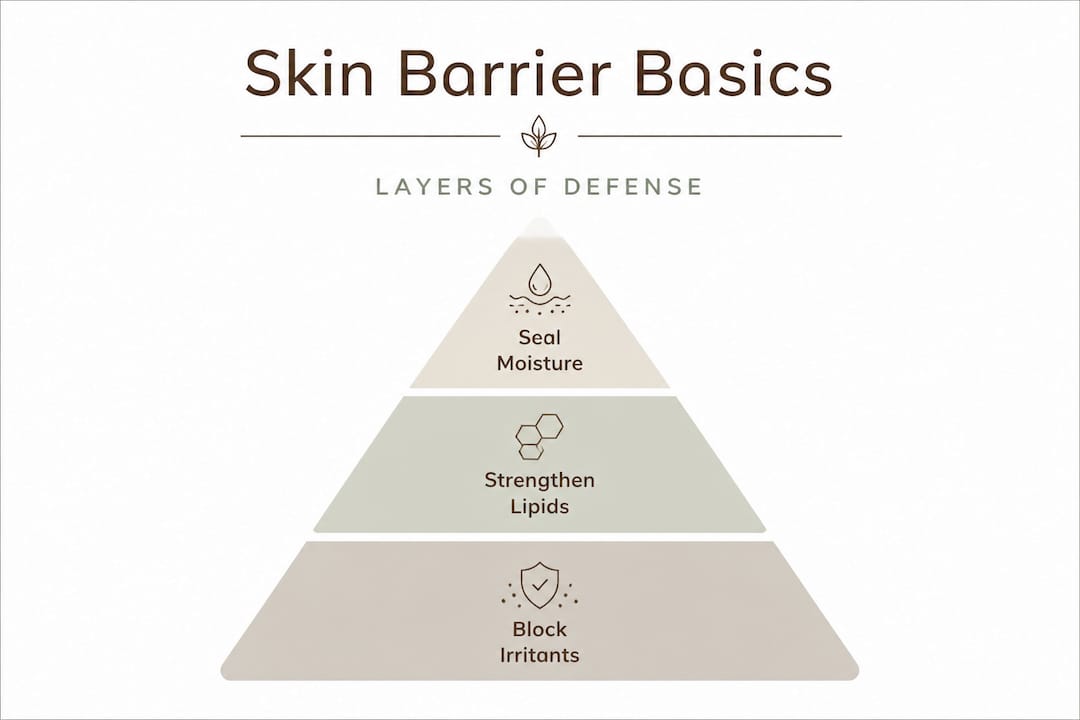
The most significant factor is humidity. Outdoor winter air carries very low moisture levels, and because your skin is a living organ that exchanges water with its environment, it loses moisture rapidly to dry, cold air. Add biting wind to the equation and you get accelerated stripping of the skin’s natural lipids (protective fats), which further weakens the barrier.
Then you step inside. Forced-air heating systems push warm but extremely dry air throughout your home and office, often reducing indoor humidity to levels below 20 percent. This compounds the moisture loss your skin already experienced outdoors. The result is a continuous cycle of dehydration and barrier damage throughout the day.
Common winter skin symptoms to watch for:
- Tightness or a “pulling” sensation, especially after washing
- Dry, flaky, or rough patches on the face, hands, and body
- Redness, blotchiness, or visible sensitivity
- Stinging or burning when applying products that previously caused no reaction
- Increased reactivity to fabrics, detergents, or temperatures
“Cold, dry air and wind increase moisture loss and damage the skin barrier.”
Understanding these triggers is the starting point for addressing them properly. We also explore how seasonal skincare for sensitive skin changes with Canada’s specific climate conditions, because general advice rarely accounts for temperatures that drop to minus 30 degrees Celsius.
| Winter skin stressor | Effect on skin barrier | Severity |
|---|---|---|
| Cold outdoor air | Accelerates moisture loss | High |
| Wind exposure | Strips protective lipids | High |
| Indoor forced-air heating | Lowers ambient humidity | Moderate to high |
| Hot showers | Disrupts lipid layer | Moderate |
| Frequent hand washing | Removes natural oils | Moderate |
Essential products and ingredients for barrier repair
Once you know the why, it’s time to choose the right solutions.
Not every moisturiser is equipped to handle true winter conditions. Generic drugstore lotions with high water content may feel satisfying at first application but evaporate quickly, offering little lasting protection. For Canadian winters, you need products built with specific barrier-supporting ingredients that work together to hydrate, seal, and repair.
The three categories of barrier-repair ingredients:
- Humectants draw moisture into the skin from the environment and deeper skin layers. Key examples include hyaluronic acid, glycerin, and urea. These are your primary hydrators.
- Emollients smooth and soften the skin by filling gaps between skin cells. Ceramides, fatty acids, and squalane fall here. They restore the lipid matrix that cold weather strips away.
- Occlusives sit on top of the skin and form a physical seal to prevent moisture from escaping. Petrolatum, shea butter, and dimethicone are effective occlusives for harsh climates.
Dermatologist-recommended formulas combine ceramides with humectants like glycerin or hyaluronic acid for genuine barrier repair, rather than temporary surface hydration. This layered approach is what separates a true winter moisturiser from a basic lotion.
When shopping for high performance winter skincare, look at the first five ingredients on the label. Glycerin, ceramides (listed as ceramide NP, AP, or EOP), or hyaluronic acid should appear early on the list, since ingredients are ranked by concentration.
Premium winter skincare products are also formulated to be fragrance-free and tested for sensitive skin. Synthetic fragrance is one of the leading causes of contact dermatitis and skin sensitivity, and in winter when your barrier is already compromised, even a formula you’ve tolerated in summer can trigger reactions.
Understanding how barrier repair works at the ingredient level helps you make smarter choices rather than relying on marketing claims alone.
| Ingredient type | Key examples | Best for |
|---|---|---|
| Humectants | Hyaluronic acid, glycerin, urea | Drawing moisture into skin cells |
| Emollients | Ceramides, squalane, fatty acids | Smoothing and restoring lipid layer |
| Occlusives | Petrolatum, shea butter, dimethicone | Sealing in moisture, wind protection |
| Anti-irritants | Niacinamide, colloidal oatmeal | Calming redness and reactive skin |
Pro Tip: Apply your moisturiser while your skin is still slightly damp, within two minutes of stepping out of the shower or washing your face. Damp skin absorbs humectants more effectively and your occlusive layer traps the absorbed moisture before it can evaporate.
Step-by-step winter skin protection routine
With your products chosen, you’re ready to use them for maximum benefit.
A well-structured routine does not need to be complicated or expensive. It needs to be consistent and applied in the right order. Here is the exact routine we recommend for cold Canadian winters.
Morning routine:
- Cleanse gently using a cream or oil-based, fragrance-free cleanser. Avoid foam or gel cleansers in winter, as most contain surfactants that strip your natural oils.
- Apply a hydrating serum with hyaluronic acid or glycerin while your face is still slightly damp.
- Follow with a ceramide-rich moisturiser. Press it in gently rather than rubbing it across the skin.
- Apply a mineral or broad-spectrum SPF 30+ sunscreen. UV rays reflect off snow and remain potent in winter, and daily sunscreen prevents further barrier damage from UV exposure.
- Add a barrier balm or occlusive layer to lips and any exposed, wind-prone areas before going outside.
Evening routine:
- Double cleanse if you’ve worn sunscreen or makeup. Start with a cleansing oil, follow with a gentle cream cleanser.
- Apply any active ingredients (such as a low-percentage niacinamide or barrier-supporting vitamin formula) at this stage.
- Apply your ceramide-rich moisturiser. Use a slightly thicker formula at night when your skin is in repair mode.
- Seal with an occlusive on very dry or cracked areas, such as the lip corners, around the nostrils, or on rough patches on your hands.
Moisturising immediately after showering and keeping your shower water lukewarm rather than hot are both dermatologist-recommended steps that significantly reduce transepidermal water loss (TEWL), which is the clinical term for moisture evaporating out of your skin.
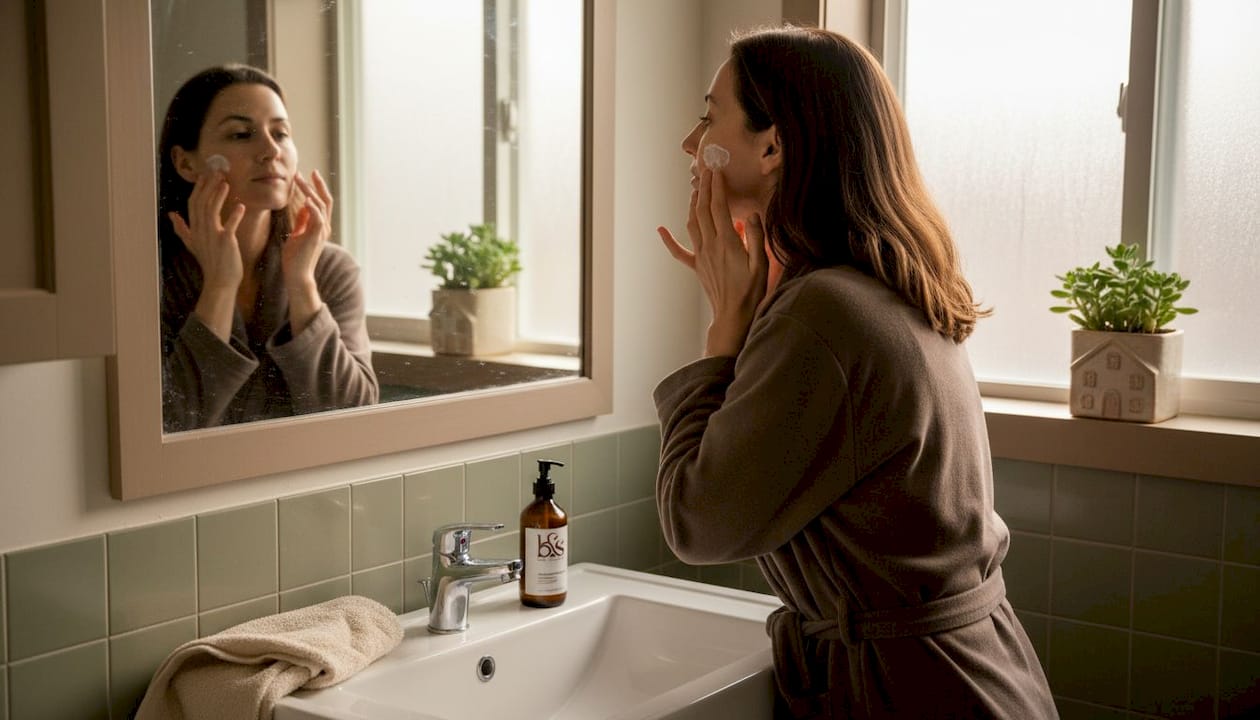
To support the routine from your environment, run a humidifier in your bedroom overnight. Keeping indoor humidity at 40 to 50 percent dramatically reduces the moisture your skin loses while you sleep. This small change supports protecting your skin barrier at a foundational level without adding a single product to your shelf.
| Step | Morning | Evening |
|---|---|---|
| Cleanse | Gentle cream cleanser | Oil cleanser, then cream cleanser |
| Treat | Hydrating serum | Niacinamide or barrier serum |
| Moisturise | Ceramide-rich cream | Richer ceramide cream |
| Protect | SPF 30+ sunscreen | Occlusive balm on dry patches |
Pro Tip: Keep a small tube of barrier balm or rich hand cream at every sink in your home. Applying it immediately after hand washing prevents the cumulative damage of repeated water exposure throughout the day.
Troubleshooting: Common mistakes and how to avoid them
Even the best products can fail if you don’t avoid classic missteps.
Many people invest in quality skincare but continue to see poor results because of habits that quietly undermine the routine. Here are the most common errors we see, and how to correct them.
Top mistakes that damage your winter barrier:
- Taking long, hot showers. Hot showers worsen dryness and skin sensitivity during winter by melting the lipid layer faster than your body can replace it. Limit showers to 5 to 10 minutes and use lukewarm water.
- Over-cleansing. Washing your face or body more than twice daily removes the natural oils your barrier depends on. Stick to once in the morning and once at night.
- Using fragranced products. Fragrance, even natural essential oils, is a leading irritant for compromised winter skin. Switch to fragrance-free formulations for the entire cold season.
- Skipping moisturiser because your skin feels oily. Even oily skin loses moisture in winter. Oiliness is about sebum production, not hydration levels. A lightweight, non-comedogenic ceramide moisturiser works for all skin types.
- Forgetting lips and hands. These areas have thinner skin and no sebaceous glands, making them especially vulnerable. Apply barrier balm to lips and a rich hand cream after every wash.
“What makes effective winter care different is consistency and the right ingredients at the right time. Small omissions compound into significant barrier damage over months.”
Knowing what makes Canadian skincare unique helps you avoid applying advice designed for milder climates. British or American guidance, for example, rarely accounts for Canadian cold snaps and the extended months of indoor heating.
Another overlooked factor is nutrition. The role of vitamins in barrier repair is well established. Vitamins B3 (niacinamide), C, and E each support the skin’s structural proteins and lipid synthesis. If your barrier is struggling despite a solid topical routine, adding a skin-supportive multivitamin or eating more healthy fats and leafy greens may accelerate your recovery.
Pro Tip: If your skin suddenly reacts badly to a product it previously tolerated, your barrier may be significantly compromised. Temporarily strip your routine down to just a gentle cleanser, ceramide moisturiser, and SPF. Once your barrier recovers over 1 to 2 weeks, reintroduce other products one at a time.
How to know your skin barrier is healing
Finally, it’s helpful to know if your efforts are actually working.
Progress with barrier repair is gradual. Most people start to notice real changes within 2 to 4 weeks of consistent routine use, though moderate-to-severe cases may take 6 to 8 weeks. The signs of recovery are clear once you know what to look for.
Positive signs your barrier is healing:
- The tight, uncomfortable feeling after washing disappears
- Flaking and rough texture become smoother and less noticeable
- Redness and blotchiness fade, and your skin tone becomes more even
- Products that previously stung or irritated you are now tolerated comfortably
- Your skin retains moisture for longer periods throughout the day
- New breakouts or reactive episodes become less frequent
Barrier repair products restore hydration, limit redness and flaking, and support overall skin comfort, but only when used consistently and correctly. This is not a one-application fix. Your barrier rebuilds gradually through repeated reinforcement of its lipid structure.
Track your skin’s progress by taking a simple weekly photo in the same lighting. Small improvements are easy to miss day-to-day but become clear when compared over weeks. Adjust your routine seasonally, adding richer formulas in January and February when temperatures and humidity are at their lowest, and gradually lightening up as spring approaches.
| Sign of damage | Sign of healing |
|---|---|
| Tightness after washing | Comfortable, flexible feeling post-cleanse |
| Visible flaking or peeling | Smooth, even texture |
| Redness and blotchiness | Calmer, more even skin tone |
| Stinging from products | Tolerance for routine products |
| Moisture fades within an hour | Hydration lasts 4 or more hours |
Learn more about barrier repair results and what realistic timelines look like for different skin types.
Why most cold weather skincare advice doesn’t work for Canadians
Here is an observation we’ve arrived at after years of working with Canadian skin: most winter skincare content is written for people who don’t actually experience a Canadian winter.
American guides reference “cold weather” when they mean temperatures hovering around five degrees Celsius. British guides focus on damp grey skies and little actual frost. Neither accounts for a Canadian January in Ottawa, Winnipeg, or Edmonton, where temperatures regularly drop below minus 20 degrees Celsius for weeks at a time, and where moving between frigid outdoor air and aggressively heated indoor environments happens dozens of times a day.
This constant thermal cycling (cold outside, heated inside, cold again) is uniquely damaging to the skin barrier in ways that a single mild-winter guide will never address. Your skin never gets a stable environment to recover in. It oscillates between two extremes continuously.
This is why we are convinced that Canadians need longer-lasting, occlusive-forward formulas, not the lightweight gel moisturisers trending on social media. Trending products are often designed for warmer, more temperate climates. A product that earns praise in Los Angeles or London may perform inadequately on skin navigating a February in Calgary.
We also know that skin genetics vary across Canada’s diverse population. Skin that has adapted to specific ancestral climates may respond differently to barrier stressors. This is one more reason why personalised, ingredient-led skincare matters more than copying a one-size-fits-all routine.
Explore our curated premium Canadian skincare picks for product guidance built around Canadian climate realities rather than generic seasonal advice.
Discover premium Canadian barrier repair solutions
At Body Face Scalp, we formulate every product with the Canadian climate in mind. Our barrier restoring moisturizer is built specifically to address the combination of outdoor cold, wind exposure, and indoor heating that strips Canadian skin through the long winter months.
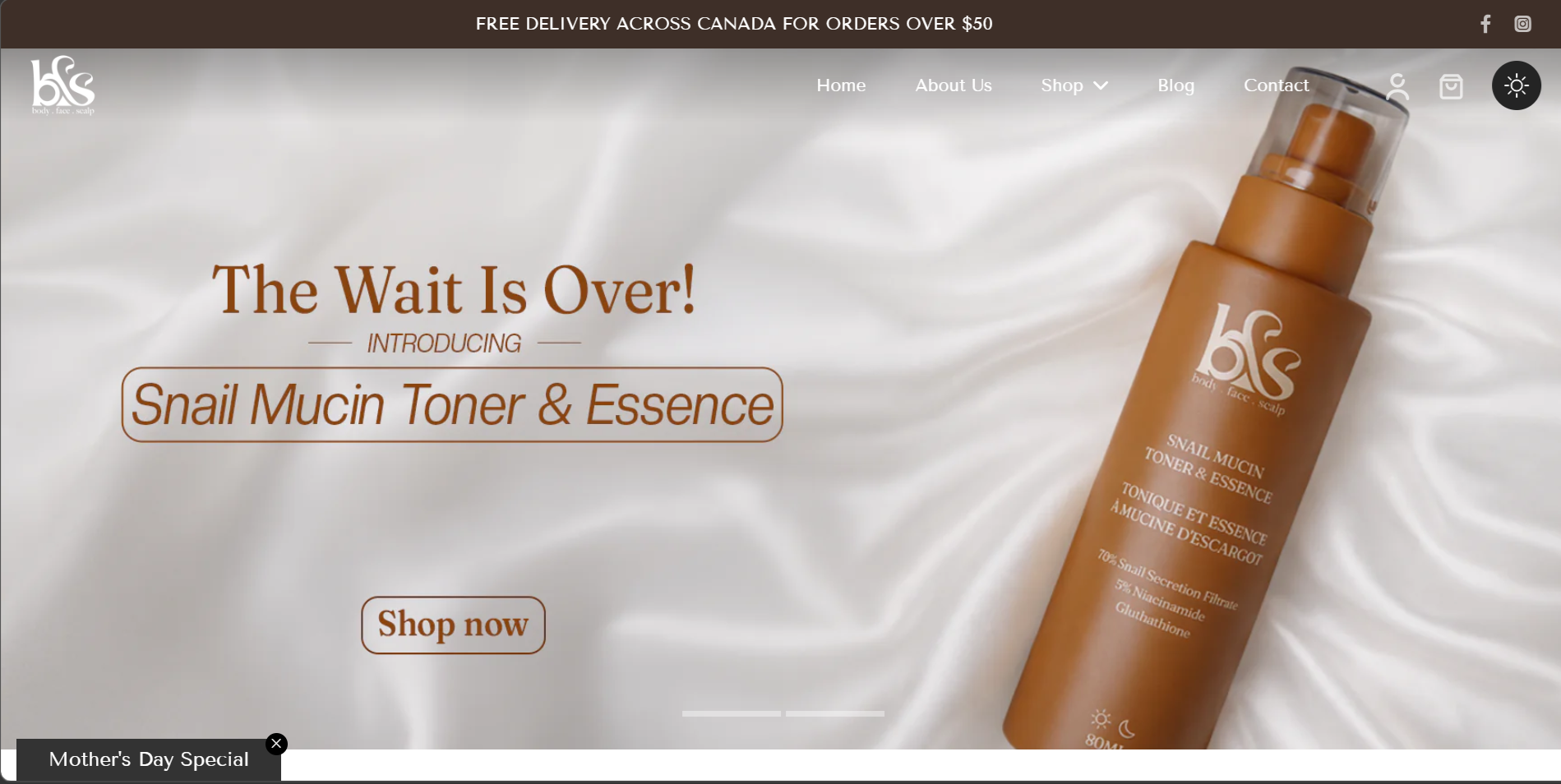
Every formula in our Canadian skincare collection is fragrance-free, tested for sensitive skin, and formulated with evidence-backed concentrations of ceramides, humectants, and skin-calming ingredients. We believe your skincare should be as serious about your skin as you are. Browse our collection to find the right barrier repair solution for your skin type and the Canadian winter ahead.
Frequently asked questions
What ingredients should I avoid in winter skincare if I have sensitive skin?
Avoid fragrances, harsh exfoliants, and alcohol-heavy formulas, as these worsen dryness and irritation, especially when your barrier is already compromised. Premium winter skincare is always formulated to be fragrance-free and suitable for sensitive skin.
How often should I moisturise my skin during the Canadian winter?
Apply moisturiser at least twice daily, and always immediately after bathing or washing your face, to lock in moisture before it evaporates.
Is sunscreen necessary in winter months in Canada?
Yes, UV rays reflect off snow and penetrate cloud cover, so daily broad-spectrum SPF 30 or higher remains essential throughout Canadian winters, even on overcast days.
Can diet or supplements help my skin barrier during winter?
A nutrient-rich diet, adequate hydration, and omega-3 fatty acids support the skin’s lipid layer, but targeted topical skincare with ceramides and humectants is still essential for meaningful winter protection.
What are the quickest fixes for sudden winter skin flares?
Apply a thick, ceramide-rich barrier cream immediately and avoid hot water, extreme temperatures, and any active ingredients until the skin settles, usually within 2 to 4 days of simplified care.
Recommended
- Barrier repair explained: restore healthy skin, reduce dryness – Body Face Scalp
- Repair, protect, enhance: Skincare guide for Canadian women – Body Face Scalp®
- Skin repair: 5 key ingredients for sensitive Canadian skin – Body Face Scalp
- Barrier-focused skincare: The science of resilient skin – Body Face Scalp
- Nourish Your Skin in Cold Weather
- How to prevent skin aging naturally: Guide for women 40+