


Reduce hyperpigmentation from sun exposure: 2026 guide
TL;DR:
- Sun-induced hyperpigmentation results from excess melanin production caused by UV and visible light exposure, leading to dark spots and uneven skin tone. Consistent daily use of SPF 50+ tinted sunscreen, effective brightening agents, and long-term care are essential to manage this chronic condition sustainably. Professional treatments like chemical peels and laser therapies can accelerate improvement when topical methods are insufficient.
Sun-induced hyperpigmentation is defined as the overproduction of melanin triggered by UV and visible light exposure, resulting in dark spots, uneven skin tone, and patches that deepen with repeated sun contact. To reduce hyperpigmentation from sun exposure, you need three things working together: daily broad-spectrum SPF 50+ sunscreen, clinically proven topical brightening agents, and realistic expectations about timelines. The medical term for this condition is solar lentigines or post-inflammatory hyperpigmentation, depending on the cause. Pigmentation is a chronic condition. It is manageable, but it requires consistent, long-term care rather than a one-time fix.
Why sunscreen is the foundation for reducing sun-induced hyperpigmentation
Sunscreen is the foundation of all pigmentation control. Without it, every brightening serum and treatment you apply is working against an active trigger. UV radiation stimulates melanocytes, the cells that produce melanin, and any unprotected exposure restarts that process.
Not all sunscreens offer equal protection for pigmentation. The three light types that drive melanin production are:
- UVB rays: Cause sunburn and directly damage DNA in skin cells.
- UVA rays: Penetrate deeper, accelerate ageing, and trigger persistent pigmentation.
- High-Energy Visible Light (HEVL): The blue-violet light from screens and sunlight that worsens melasma and post-inflammatory hyperpigmentation, especially in medium to deep skin tones.
A 2026 global dermatological consensus confirms that SPF 50+ with HEVL protection is required to manage pigmentary disorders effectively. Standard clear sunscreens block UVA and UVB but do not address HEVL. Tinted sunscreens containing iron oxides fill that gap. Tinted sunscreens with iron oxides provide superior protection for melanin-rich skin under visible light, making them the preferred choice for anyone managing melasma or persistent dark spots.
One detail most people miss: window glass blocks UVB but allows UVA and visible light through. This means sitting near a window indoors still exposes your skin to pigmentation triggers. Year-round, daily sunscreen application is non-negotiable, regardless of season or whether you plan to go outside.
Application guidelines:
- Apply SPF 50+ tinted sunscreen every morning as the final step in your routine.
- Use approximately a quarter teaspoon for the face alone.
- Reapply every two hours during outdoor exposure.
- If indoors near windows, apply once in the morning and reapply at midday.
Pro Tip: If you find sunscreen too heavy under makeup, look for a tinted SPF 50+ fluid formula with iron oxides. It doubles as a light-coverage base while delivering the HEVL protection that clear sunscreens miss.
Which topical ingredients actually fade dark spots?
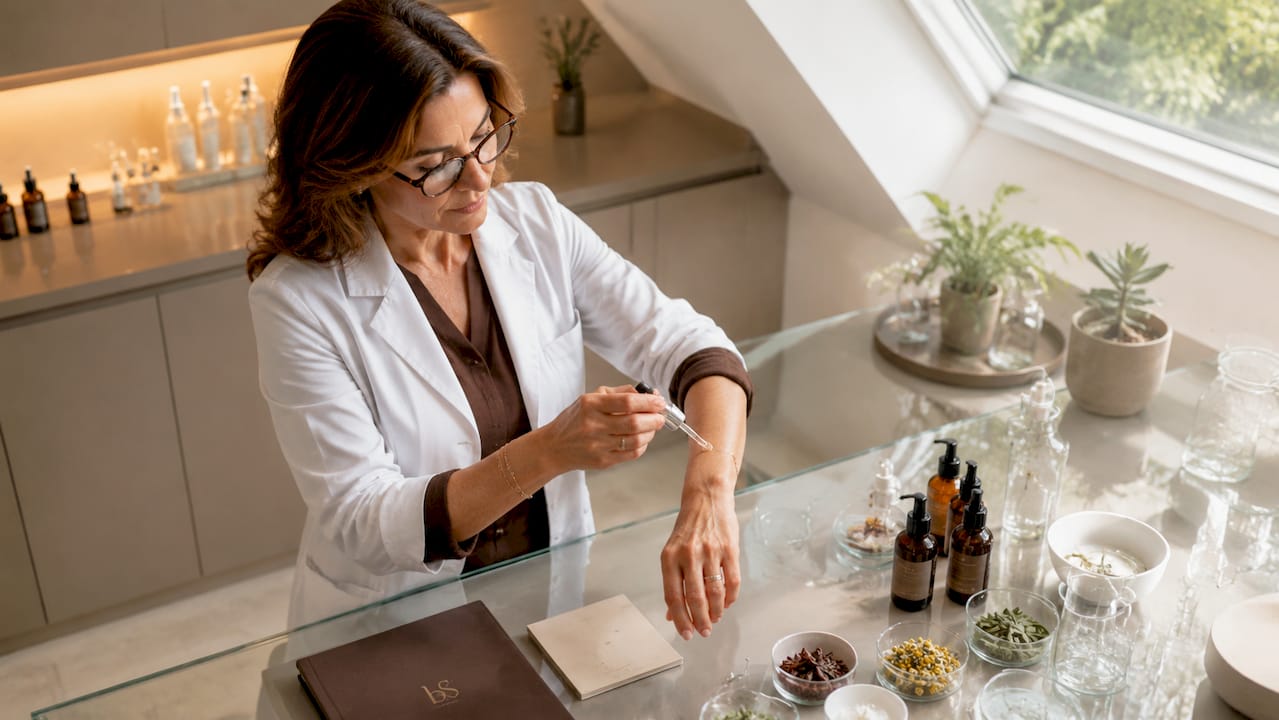
The most effective topical ingredients for treating sun damage work by either blocking melanin production, accelerating skin cell turnover, or interrupting the transfer of pigment to the skin’s surface. Understanding how each one works helps you build a routine that targets pigmentation from multiple angles.
| Ingredient | Mechanism | Timeline for results |
|---|---|---|
| Vitamin C (L-ascorbic acid) | Inhibits tyrosinase, the enzyme that produces melanin; antioxidant defence against UV-induced oxidative stress | 8–12 weeks |
| Niacinamide (vitamin B3) | Blocks melanosome transfer from melanocytes to skin cells; supports barrier function | 4–8 weeks |
| Hydroquinone (2–4%) | Gold standard prescription brightener; directly suppresses melanin synthesis | 8–12 weeks under medical supervision |
| Retinoids (retinol, tretinoin) | Accelerate cell turnover, pushing pigmented cells to the surface faster | 12–24 weeks |
| Glycolic acid (AHA) | Chemical exfoliation that removes pigmented surface cells | 6–12 weeks |
| Azelaic acid (10–20%) | Selectively targets overactive melanocytes; anti-inflammatory | 8–12 weeks |
Visible results range from 7 days to 24 weeks depending on the product, the severity of pigmentation, and how consistently you apply it alongside daily SPF. That range is wide because superficial sun spots respond faster than deep dermal pigmentation.
Vitamin C is best applied in the morning, directly after cleansing and before sunscreen. It neutralises free radicals generated by UV exposure and reduces the melanin signal before it starts. Niacinamide works well at any time of day and pairs easily with most other ingredients. You can find niacinamide options for hyperpigmentation formulated specifically for the Canadian market, where barrier support in cold climates matters as much as brightening.
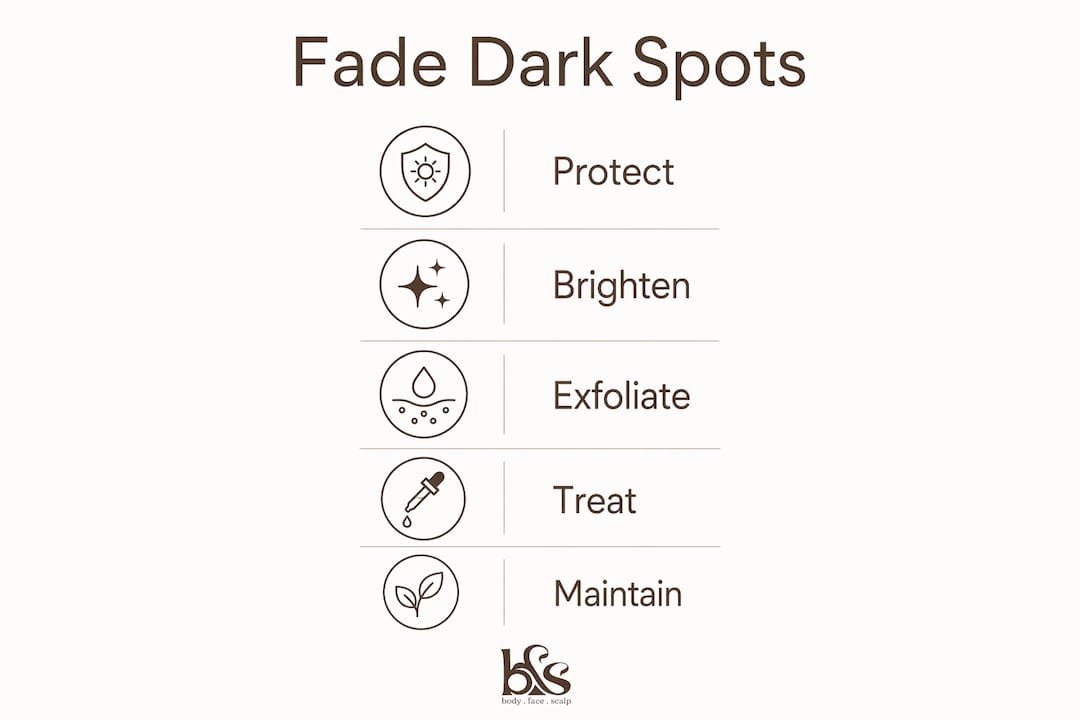
Hydroquinone remains the gold standard topical brightener when used correctly under medical supervision, despite common misconceptions about its safety. It is typically prescribed in 4% concentration for 3-month cycles, followed by a maintenance phase using gentler alternatives like azelaic acid or niacinamide.
Retinoids and glycolic acid both increase skin sensitivity. Start with a low concentration two to three nights per week, and always pair them with a barrier-supporting moisturiser to reduce irritation risk.
Pro Tip: Layer your actives strategically. Apply vitamin C in the morning under SPF, and use retinoids or glycolic acid at night. This prevents ingredient interactions and reduces the risk of irritation that can paradoxically worsen pigmentation.
When do professional treatments make sense for sun damage?
Professional treatments are the right choice when a consistent topical regimen of 8–12 weeks has not delivered satisfactory results. They are also appropriate for deep or extensive pigmentation that topicals alone cannot reach.
Chemical peels, IPL, and laser therapies can deliver visible improvements in 1–2 weeks, significantly faster than topical regimens that take months. That speed comes with trade-offs: higher cost, downtime, and the need for careful skin preparation.
Common professional treatment options:
- Superficial chemical peels (glycolic, salicylic, lactic acid): Remove the top layers of skin to reduce surface pigmentation. Typically require a series of 4–6 sessions spaced two to four weeks apart. Minimal downtime.
- Medium-depth peels (TCA): Reach deeper pigmentation. More effective for stubborn solar lentigines. Require 5–7 days of recovery.
- Intense Pulsed Light (IPL): Targets melanin with broad-spectrum light pulses. Works well for flat, discrete sun spots on fair to medium skin tones. Results visible after 2–3 sessions.
- Fractional laser (e.g., Fraxel): Treats both surface and deeper pigmentation. Most effective for widespread sun damage. Requires 3–5 sessions and carries a higher risk of post-inflammatory hyperpigmentation in darker skin tones.
Skin preparation before any professional treatment is critical. Most dermatologists recommend a 4–8 week pre-treatment phase using topical brighteners and SPF to reduce the risk of rebound pigmentation after the procedure. A professional treatment guide from a qualified aesthetics clinic can help you understand which option suits your skin type and pigmentation depth.
Post-treatment sun protection is not optional. Any procedure that removes or disrupts skin layers leaves melanocytes in a highly reactive state. A single unprotected sun exposure after a peel or laser session can trigger darker pigmentation than you started with.
Common mistakes that slow down your progress
Most people who struggle to reduce skin discoloration are not using the wrong products. They are making avoidable errors that undermine the products they already have.
-
Skipping sunscreen on cloudy days or indoors. UV and visible light penetrate cloud cover and windows. Failure to adhere to daily sun protection is the single biggest mistake before considering any clinical intervention. Every unprotected exposure reactivates melanin production and erases progress.
-
Using too many actives at once. Stacking vitamin C, retinol, glycolic acid, and hydroquinone simultaneously causes irritation. Irritated skin triggers post-inflammatory hyperpigmentation, which means your treatment is creating new pigmentation while trying to fade existing spots.
-
Relying on physical scrubs. Physical exfoliation worsens melasma by irritating melanocytes. The friction from scrubs, cleansing brushes, and rough cloths signals the skin to produce more melanin. Chemical exfoliants like glycolic acid or lactic acid are the safer alternative.
-
Stopping treatment when pigmentation darkens. Some actives, particularly retinoids, cause pigmentation to look darker before it fades. This is a normal part of the turnover process. If irritation is mild, scale back frequency rather than stopping entirely.
-
Expecting permanent results without maintenance. Complete reversal of sun-damaged pigmentation is not biologically possible. Cellular changes from years of UV exposure are permanent. Maintenance with daily SPF and periodic use of brightening actives is the long-term reality.
Sun damage from youth accumulates and influences pigmentation in later life. The earlier you establish disciplined photoprotection, the less correction you will need in the future.
For a structured approach to avoiding these pitfalls, the 5-step expert guide on managing hyperpigmentation walks through each stage of a safe, effective regimen.
Key takeaways
Reducing sun-induced hyperpigmentation requires daily SPF 50+ tinted sunscreen, targeted brightening actives, and consistent long-term maintenance to manage a chronic, relapsing condition.
| Point | Details |
|---|---|
| SPF 50+ tinted sunscreen is non-negotiable | Iron oxide formulas block UVA, UVB, and HEVL, the three light types that trigger melanin overproduction. |
| Layer actives strategically | Use vitamin C in the morning and retinoids or glycolic acid at night to maximise results and minimise irritation. |
| Results take time | Visible improvement ranges from 7 days to 24 weeks; stubborn pigmentation requires consistent use of both SPF and actives. |
| Professional treatments accelerate results | Chemical peels, IPL, and laser can show improvement in 1–2 weeks, but require proper skin preparation and post-treatment sun protection. |
| Pigmentation is chronic | Lifelong maintenance with SPF and periodic brightening actives is required because sun damage creates permanent cellular changes. |
What I have learned about managing sun-induced pigmentation realistically
After working with countless clients navigating stubborn sun spots, the pattern I see most often is not a product problem. It is a patience problem.
People start a solid regimen with vitamin C, niacinamide, and SPF 50+. They see modest improvement in the first four weeks and feel encouraged. Then they plateau around week six, assume the products have stopped working, and either abandon the routine or pile on more actives. That is where things go wrong. The plateau is normal. Deeper pigmentation takes longer to surface and fade. The regimen is working. The timeline just does not match the expectation.
The other thing I want to be direct about: sun damage from youth accumulates and shapes what your skin looks like decades later. You cannot undo that history quickly. What you can do is stop adding to it today and give your skin the tools to repair as much as it biologically can.
I also think the skincare industry undersells the importance of barrier health in pigmentation treatment. When the skin barrier is compromised, actives penetrate unevenly, irritation risk goes up, and the inflammatory response that triggers more pigmentation becomes harder to control. A barrier-focused face care approach is not just about hydration. It is about creating the stable foundation that lets your brightening actives actually do their job.
My honest recommendation: commit to a simple, consistent regimen for a full 12 weeks before evaluating results. SPF 50+ tinted sunscreen every morning, one brightening active in the morning, one cell-turnover active at night, and a barrier-supporting moisturiser. That is it. Complexity is not what gets results. Consistency is.
— Mohid
How Bodyfacescalp supports your pigmentation routine
Treating sun-induced hyperpigmentation is a long-term commitment, and the products you use between actives matter as much as the actives themselves.
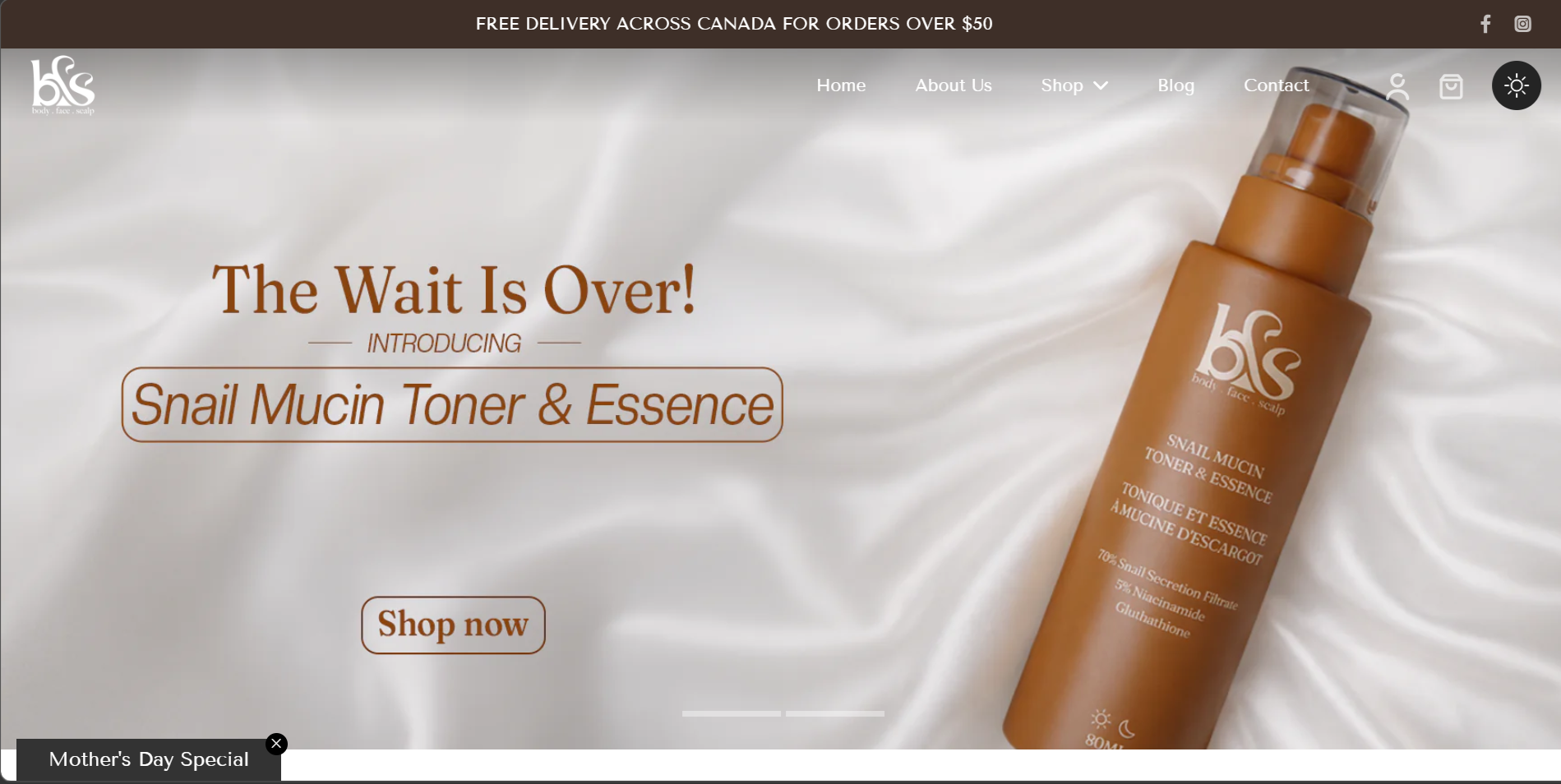
At Bodyfacescalp, we formulate with the Canadian climate in mind. Harsh winters and UV-intense summers create a cycle of barrier stress that makes pigmentation harder to manage. Our Barrier Restoring Moisturizer is designed to support skin recovery during active treatment phases, reducing the irritation risk that can trigger rebound pigmentation. Paired with the right brightening actives, it helps your skin stay stable through the full treatment timeline. Explore our full skin care collection to find formulations built for sensitive, pigmentation-prone skin.
FAQ
What is the fastest way to fade dark spots from sun exposure?
Chemical peels, IPL, and laser treatments deliver visible results in 1–2 weeks, faster than any topical regimen. For at-home care, consistent use of vitamin C, niacinamide, and SPF 50+ can show improvement within 4–8 weeks.
Do I need sunscreen indoors to prevent sun-induced hyperpigmentation?
Yes. UVA and visible light penetrate windows, meaning indoor exposure still triggers melanin production. Apply a tinted SPF 50+ sunscreen every morning, even on days you stay inside.
How long does it take to see results from brightening creams?
Results range from 7 days for mild surface spots to 24 weeks for deeper or more stubborn pigmentation, depending on the product and how consistently you use it alongside daily sun protection.
Can scrubbing help lighten skin discolouration faster?
No. Physical scrubbing irritates melanocytes and worsens pigmentation, particularly melasma. Chemical exfoliants like glycolic acid or lactic acid are the recommended alternative for safe, gradual cell turnover.
Is hydroquinone safe to use for sun spots?
Hydroquinone is the gold standard topical brightener and is safe when used correctly under medical supervision, typically in 2–4% concentrations for defined treatment cycles of 8–12 weeks.