


Sensitive skin solutions: Top expert-backed options for Canadians
Sensitive skin in Canada is its own particular challenge. Between frigid winters that strip moisture from your face before you even reach the car, and an overwhelming wall of products promising “gentle” and “calming” results, it is genuinely hard to know what will actually help. The good news is that the science behind barrier repair has advanced considerably, and ingredient-conscious formulations are now more accessible than ever. This guide cuts through the noise to show you exactly which actives work, why they work, and how to build a routine that your skin will actually thank you for.
Table of Contents
- How to evaluate solutions for sensitive skin
- Ceramide-rich moisturisers: Repairing the barrier
- Niacinamide: The multi-tasking strengthener
- Urea and gentle humectants: Hydration without irritation
- Peptides and prebiotics: Supporting your skin’s resilience
- Quick comparison: How do ingredient solutions stack up?
- Choosing the best routine for your sensitive skin needs
- Sensitive skin solutions from Canadian barrier experts
- Frequently asked questions
Key Takeaways
| Point | Details |
|---|---|
| Barrier support is key | Choosing solutions with ceramides and niacinamide rebuilds and calms sensitive skin. |
| Start low, go slow | Introduce new actives like urea and peptides gradually to limit irritation. |
| Balance hydration with protection | Pair humectants and occlusives for best hydration without stinging. |
| Simple routines work best | Minimal, focused product choices prevent overload and reduce risk for sensitive skin. |
| Canadian climate considerations | Adapt your sensitive skin care for drier, colder environments for better results. |
How to evaluate solutions for sensitive skin
Before jumping into specific solution examples, it is critical to know what to look for on Canadian shelves. Fragrance-free and alcohol-free are the bare minimum, not a selling point. What separates a genuinely effective sensitive skin product from a mediocre one is whether it actively supports your barrier rather than just avoiding the worst offenders.
The ingredients that consistently earn their place in evidence-backed formulations include:
- Ceramides: Replenish lost lipids and seal the barrier
- Niacinamide: Calms inflammation and signals ceramide production
- Gentle humectants: Glycerin, hyaluronic acid, and low-dose urea draw moisture in
- Prebiotics: Feed beneficial skin bacteria to reduce reactivity
- Peptides: Signal repair and collagen synthesis
Canadian guidelines recommend barrier-repair moisturisers, not just bland, fragrance-free formulas, for sensitive and atopic skin. This is an important distinction. A product can be perfectly inoffensive and still do nothing to help your skin recover. Understanding your skin barrier is the foundation for making smarter choices.
Canada’s climate adds another layer of complexity. Cold, dry air in winter and air-conditioned interiors in summer both accelerate transepidermal water loss (TEWL), the process by which moisture escapes through your skin. Adjusting your routine seasonally is not optional for sensitive skin; it is essential. Even diet plays a role, with omega-3 fatty acids shown to support barrier function from the inside out.
Pro Tip: Keep your routine minimal. Adding too many actives at once is one of the most common triggers for flare-ups in sensitive skin. Introduce one new product at a time and give it two to three weeks before layering anything new.
Ceramide-rich moisturisers: Repairing the barrier
With ingredient priorities set, ceramides top the expert list as foundational for barrier support. Think of ceramides as the mortar between the bricks of your skin cells. When that mortar erodes, moisture escapes and irritants get in. Replenishing ceramides is not a luxury step; it is the cornerstone of any sensitive skin recovery plan.
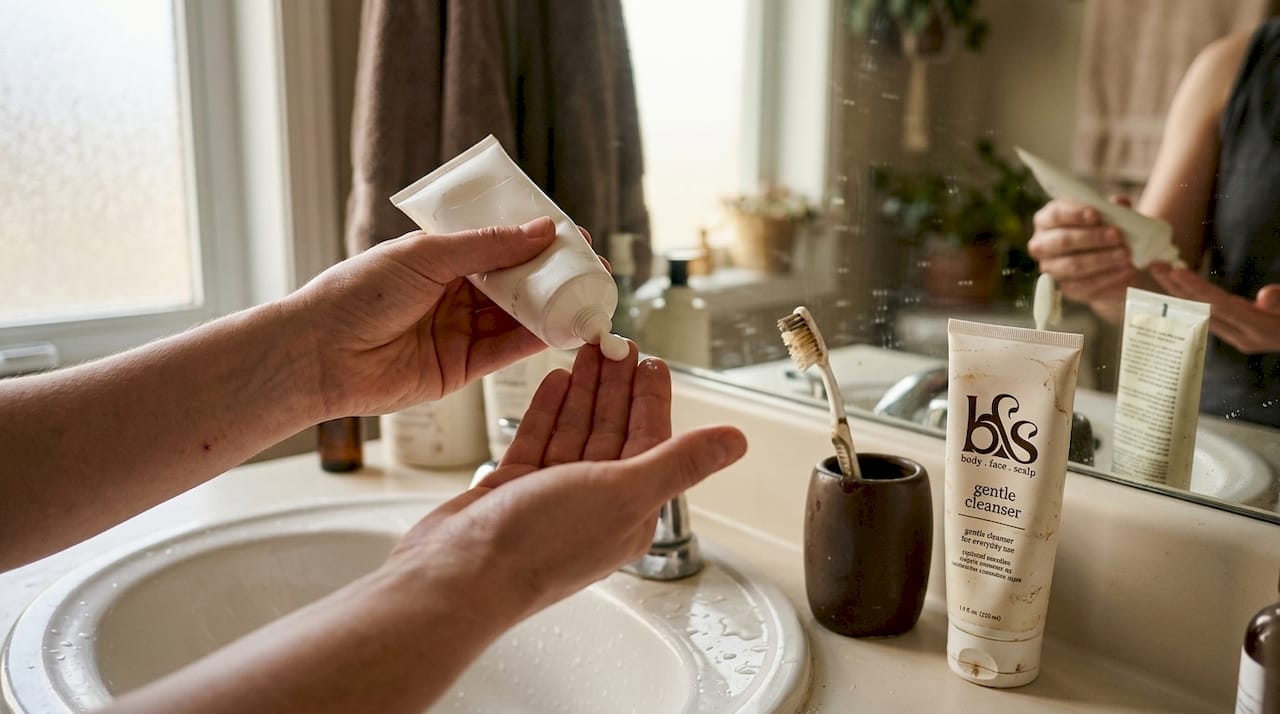
Clinical evidence backs this up firmly. Ceramide-based moisturisers restore skin lipids by 30% and measurably reduce TEWL in sensitive skin over four weeks of consistent use. That is a meaningful, visible improvement in skin smoothness and resilience.
What to look for in a ceramide moisturiser:
- Multi-ceramide complexes (ceramide NP, AP, and EOP together are most effective)
- Cholesterol and fatty acids alongside ceramides for a complete lipid profile
- No added fragrance or essential oils that can counteract barrier repair
- Lightweight to medium texture depending on your skin’s dryness level
“Barrier repair is not about adding more products. It is about giving skin the exact lipids it has lost so it can function as it was designed to.”
For best results, apply your ceramide moisturiser on slightly damp skin immediately after cleansing. This traps residual moisture and maximises absorption. Explore barrier restoring moisturisers to understand the full science, or go straight to a Canadian-formulated option designed for our climate.
Pro Tip: Ceramide moisturisers work for every skin type, not just dry skin. If your skin is oily but reactive, a lighter ceramide gel-cream can repair your barrier without clogging pores.
Niacinamide: The multi-tasking strengthener
Beyond lipids, certain vitamins like niacinamide play a proven role in calming and restoring sensitive skin. Niacinamide, also known as vitamin B3, is one of the most well-researched actives in modern skincare, and for sensitive skin specifically, it earns its reputation.
It works on multiple levels at once. Niacinamide signals your skin to produce more ceramides naturally, reduces inflammatory markers that cause redness, and strengthens the barrier against environmental stressors. Niacinamide increases hydration by 42% and reduces TEWL by 28%, making it one of the most impactful single ingredients you can add to a sensitive skin routine.
Key facts about using niacinamide safely:
- 2-5% concentration is the sweet spot for sensitive skin; effective without risk of tingling
- Higher concentrations (10%+) may cause flushing or stinging in reactive skin
- Pairs beautifully with ceramides and gentle humectants
- Reduces blotchiness and redness over consistent use, not just immediately
- Stable in most formulations and compatible with most other actives
Understanding the types of skin barriers can help you decide whether niacinamide should be your first priority or a supporting ingredient in your routine.
Pro Tip: If you are new to niacinamide, start with a moisturiser that contains it rather than a standalone serum. The buffering effect of the moisturiser base reduces any chance of irritation while your skin adjusts.
Urea and gentle humectants: Hydration without irritation
With barrier lipids and calmers in place, next comes locking in hydration safely and with minimal irritation. Humectants are the ingredients that draw water into your skin, and choosing the right ones matters enormously for sensitive skin.
Urea is particularly interesting because it does double duty: it hydrates and also activates genes involved in barrier repair. Urea at 2-10% boosts moisture and strengthens barrier genes for sensitive skin, but higher concentrations can sting compromised skin, so starting low is wise. If you have sensitive skin that stings easily, buffer urea with ceramides or panthenol to reduce reactivity.
| Humectant | Best concentration | Key benefit | Sensitive skin risk |
|---|---|---|---|
| Urea | 2-5% | Hydrates and repairs barrier genes | May sting at higher doses |
| Glycerin | 3-10% | Draws moisture, very well tolerated | Very low |
| Hyaluronic acid | 0.1-2% | Plumps and smooths skin surface | Very low |
| Panthenol | 1-5% | Soothes and supports barrier repair | Very low |
Glycerin and hyaluronic acid are the safest daily humectants for reactive skin. They are unlikely to cause any stinging and work well layered under a ceramide moisturiser. The key is always to seal humectants in with an occlusive or lipid-rich layer on top, otherwise they can actually draw moisture out of your skin in dry Canadian air. Urea for sensitive skin requires a careful approach, but used correctly it is one of the most effective hydrators available.
Pro Tip: Apply your humectant serum or toner to damp skin, then immediately follow with your ceramide moisturiser. This two-step sequence is far more effective than either product used alone.
Peptides and prebiotics: Supporting your skin’s resilience
Even with the right hydrators, advancing your barrier’s resilience calls for smarter, science-backed actives. Peptides and prebiotics represent the next level of sensitive skin care, moving beyond symptom management into genuine long-term strengthening.
Peptides are short chains of amino acids that act as messengers in your skin. They signal fibroblasts to produce more collagen and accelerate the skin’s own repair processes. Prebiotics, meanwhile, nourish the beneficial bacteria that live on your skin’s surface, reducing the dysbiosis (microbial imbalance) that often underlies chronic sensitivity and redness.
Peptides and prebiotics strengthen the barrier, promote collagen, and 93% of users agreed they remain lightweight and non-irritating. That last point matters enormously for sensitive skin, where heavy or occlusive formulas can trigger breakouts or congestion.
Benefits of adding peptides and prebiotics to your routine:
- Reduce persistent redness by calming immune overreaction in the skin
- Improve texture and firmness over time through collagen signalling
- Support microbiome balance, which reduces reactivity to environmental triggers
- Ideal for minimalist routines because they address multiple concerns at once
- Well tolerated even by those who react to plant extracts or botanical actives
“Resilient skin is not just hydrated skin. It is skin with a balanced microbiome, intact lipids, and the structural proteins to bounce back from daily stress.”
If your face care routine currently focuses only on hydration, adding a peptide serum is the single most impactful upgrade you can make for long-term sensitive skin health.
Quick comparison: How do ingredient solutions stack up?
With the key options outlined, here is a head-to-head comparison to guide your own custom routine. Each ingredient category offers distinct benefits, and understanding where they overlap helps you build a smarter, leaner routine.
| Ingredient | Primary benefit | Best for | Layering tip | Canadian climate priority |
|---|---|---|---|---|
| Ceramides | Barrier repair, lipid replenishment | All sensitive skin types | Apply on damp skin, use as base layer | Very high (winter essential) |
| Niacinamide | Reduces redness, boosts ceramide production | Reactive, blotchy, or inflamed skin | Layer under moisturiser | High year-round |
| Urea (2-5%) | Deep hydration, barrier gene activation | Dry, rough, or flaky skin | Buffer with ceramides or panthenol | High in dry winter months |
| Peptides and prebiotics | Resilience, collagen, microbiome balance | Persistent sensitivity, ageing concerns | Use in serum form before moisturiser | Moderate to high |
Ceramides, niacinamide, urea, and peptides each offer distinct yet complementary benefits for sensitive skin, which is why the most effective routines combine two or three rather than relying on one alone. For a broader look at how these fit into a complete regimen, see our guide to premium skincare picks. If you are curious about specific product textures, the Anua Birch cream is a popular example of how ceramides and humectants can be combined in a lightweight format.
Choosing the best routine for your sensitive skin needs
After comparing options, here is how to put them together for the most relief and healthiest skin. The most common mistake is treating sensitive skin as a single condition. In reality, your triggers determine your routine.
- Dry winter skin: Prioritise ceramide-rich moisturisers morning and evening. Add a low-dose urea or glycerin serum underneath. Use only a gentle, non-foaming cleanser. Avoid any exfoliants until your barrier is stable.
- Persistent redness and irritation: Lead with niacinamide at 2-5% and a prebiotic serum. Avoid over-exfoliating entirely. Introduce peptides once redness has calmed. Keep your routine to three to four products maximum.
- After a reaction or flare-up: Strip everything back. Use only a gentle cleanser, a ceramide moisturiser, and a soothing ingredient like panthenol or aloe vera. Reintroduce other actives one at a time after two weeks of stability.
- General maintenance: Combine ceramides, niacinamide, and a peptide serum for a resilient, calm baseline. Adjust humectant intensity seasonally based on how dry the air is.
- Always patch test: Apply any new product to the inner arm for 48 hours before using it on your face. This single habit prevents the majority of avoidable reactions.
Minimal, ingredient-conscious routines are safest for sensitive skin, and the scenarios above are designed with that principle at their core. More products rarely means better results for reactive skin.
Pro Tip: Write down your current routine and circle anything with fragrance, alcohol, or more than 30 ingredients. Those are your first candidates for replacement, not addition.
Sensitive skin solutions from Canadian barrier experts
With a toolkit of proven ingredients, Canadian women can now choose solutions tailored to their own needs, and trusted options are closer than you think.

At Body Face Scalp, every formulation is built around the same principles this article covers: barrier repair, ingredient integrity, and real results for Canadian skin. The Barrier Restoring Moisturiser delivers a multi-ceramide complex designed specifically for the moisture loss that comes with Canadian winters. For those ready to add peptides and prebiotics, the Luster Booster Multi Peptide Serum is a lightweight, non-irritating option that layers seamlessly under any moisturiser. Browse the full sensitive skin range to find the right combination for your triggers, your climate, and your skin.
Frequently asked questions
Can I use several sensitive skin actives together?
Yes, but introduce one new ingredient at a time and patch test each one. Minimal routines are safest for sensitive skin, so build slowly rather than layering everything at once.
Are urea creams safe for facial sensitive skin?
Low-dose urea at 2-5% can hydrate effectively, but higher doses may sting compromised skin. Buffer it with ceramides or panthenol for added safety on the face.
Does the Canadian climate require special care for sensitive skin?
Absolutely. Dry winters and harsh weather increase barrier stress significantly. Canadian guidelines recommend barrier-repair moisturisers as the foundation of any sensitive skin routine in our climate.
Is niacinamide safe for everyone with sensitive skin?
Most people tolerate niacinamide at 2-5% without issue. If irritation occurs, reduce frequency and layer it with a moisturiser. Niacinamide boosts hydration and reduces inflammation even at lower concentrations.
How quickly can I expect to see improvements with these solutions?
Consistent use of barrier-supporting actives shows measurable results within four weeks. Ceramides restore lipids and reduce TEWL within that timeframe in clinical studies.
Recommended
- Why seasonal skincare matters for sensitive skin in Canada – Body Face Scalp
- What is sensitive skin: 44% of Canadians experience it – Body Face Scalp
- Understand your skin barrier: how to protect and repair it – Body Face Scalp
- Barrier-Focused Skincare | Canadian Barrier Repair Skincare Brand – Body Face Scalp
- Demystifying men’s cosmetics: boost skin confidence 2026 – NORML